WINTER SCHOOL 2026

Winter School

Looking for a winter school in Tokyo? Laurus Winter School is a one-week day programme for primary-age children. Over five days, children follow a single STEAM theme from the first question to the final presentation, entirely in English, at one of the few international schools in Japan teaching the Cambridge International Curriculum.

DatesMon 14 – Fri 18 December 2026
Ages6–11
Format1 week · Day programme
Choose by your child's age
Winter Camp(Ages 1.5–6)
Winter Programme(Ages 11–16)
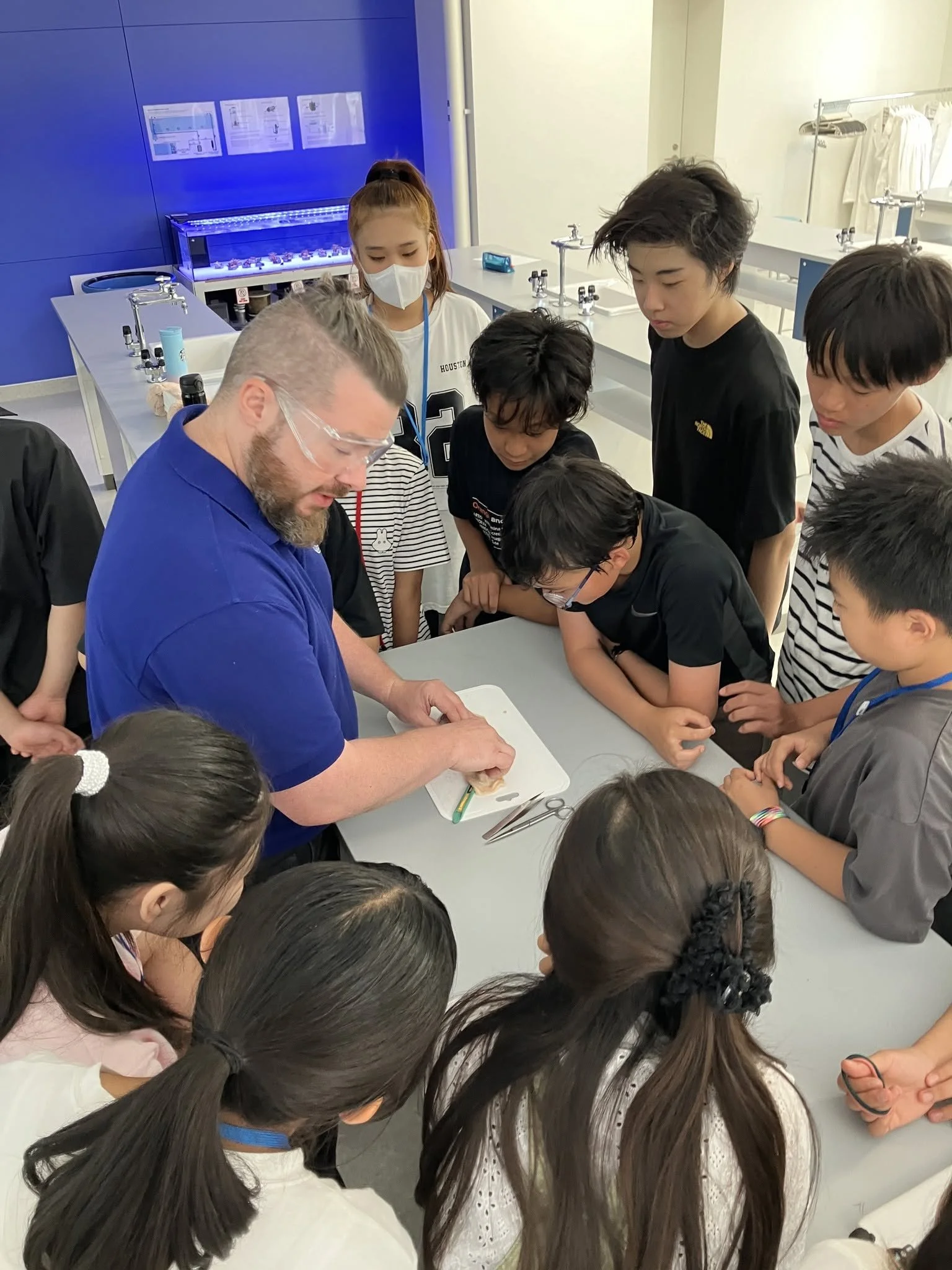
Primary children working on an experiment
Robotics
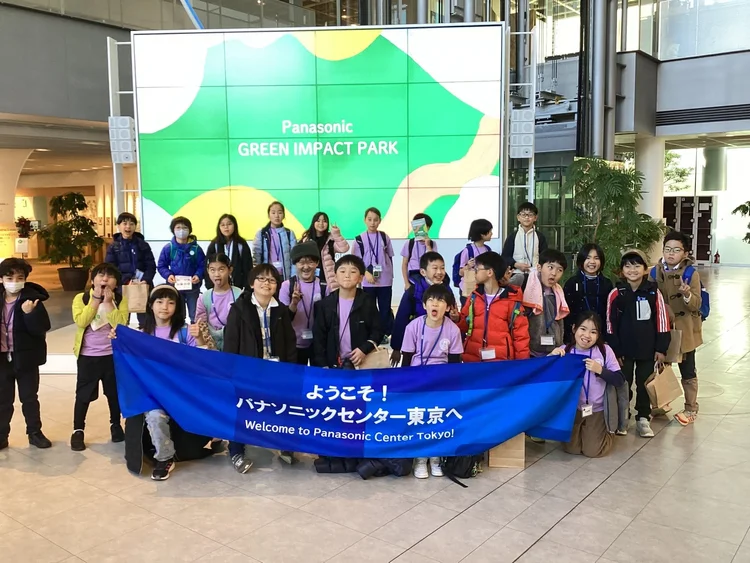
Field trip
Friday presentation
A team working through trial and error
Talking with a teacher
Introduction

This Winter, Discover the Joy of “I Want to Try!”

Laurus Winter School is more than an English programme. For one week, children work on a single STEAM theme — building, testing, getting it wrong and trying again — in a full English environment, guided by teachers who know how to ask the next question.

What we have seen, and what research on short intensive programmes suggests, is that a week like this changes something specific: children go home wanting to say more in English than when they arrived.

Most of the children who join have never been to Laurus before. In our Winter School 2025 survey, 6 of 10 families were joining us for the first time — so arriving without knowing anyone is the normal way to start here, not the exception. It is a valuable chance to make new friends in an English environment.

Programme Highlights
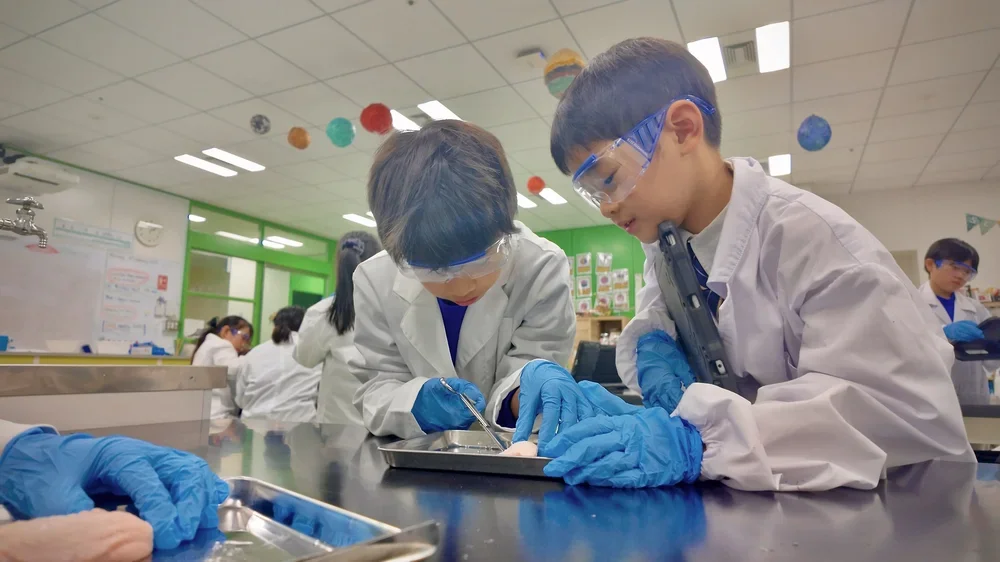
A STEAM lesson
1

Authentic STEAM Education

Japan's only STEAM-focused international school. Children spend the week on a science project built around a set theme — asking questions, running experiments, building something and presenting what they found.

A lesson with a native English-speaking teacher
2

An All-English Environment

The week runs entirely in English, with native English-speaking teachers. Lessons assume that children can communicate in basic English, so please read “Will my child be able to follow along in English?” below before applying.

teamLab Toyosu
3

Weekly Field Trip

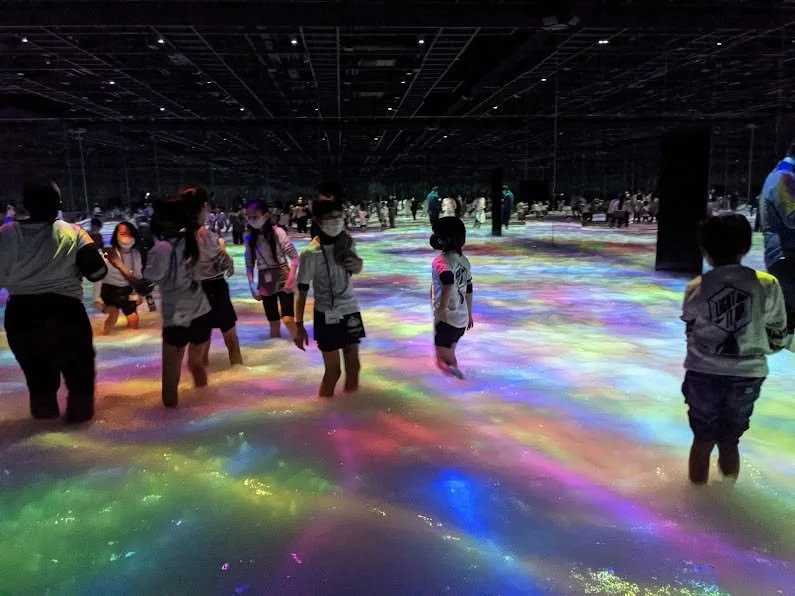
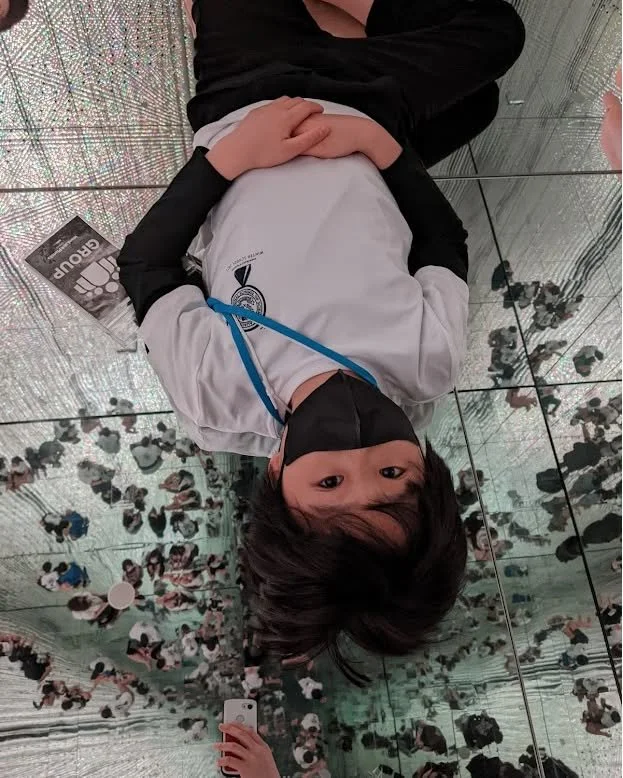
Each week includes a field trip connected to the theme. In 2021, when the theme was “Light it Up”, children visited teamLab Toyosu — and came back to design a light experience room of their own.

Now open Winter School 2026

STEAM Winter School

~ Seasonal Festive Market ~

Mon 14 – Fri 18 December 2026

This winter, Primary students take on the hands-on “Seasonal Festive Market Project”, which brings creativity and STEAM learning together.
Working in teams, children share ideas and use their imagination, problem-solving and design thinking to plan and make original products for a winter market. Through rounds of prototyping and improvement, they discover the fun of turning an idea into something real, and how much it matters to work together to finish one thing.
A special seasonal field trip lets them enjoy the feel of winter, taking in the sights, sounds and culture of the city as they look for that spark of inspiration.
The programme ends with a special market for families, where children proudly present the products they have put their hearts into.
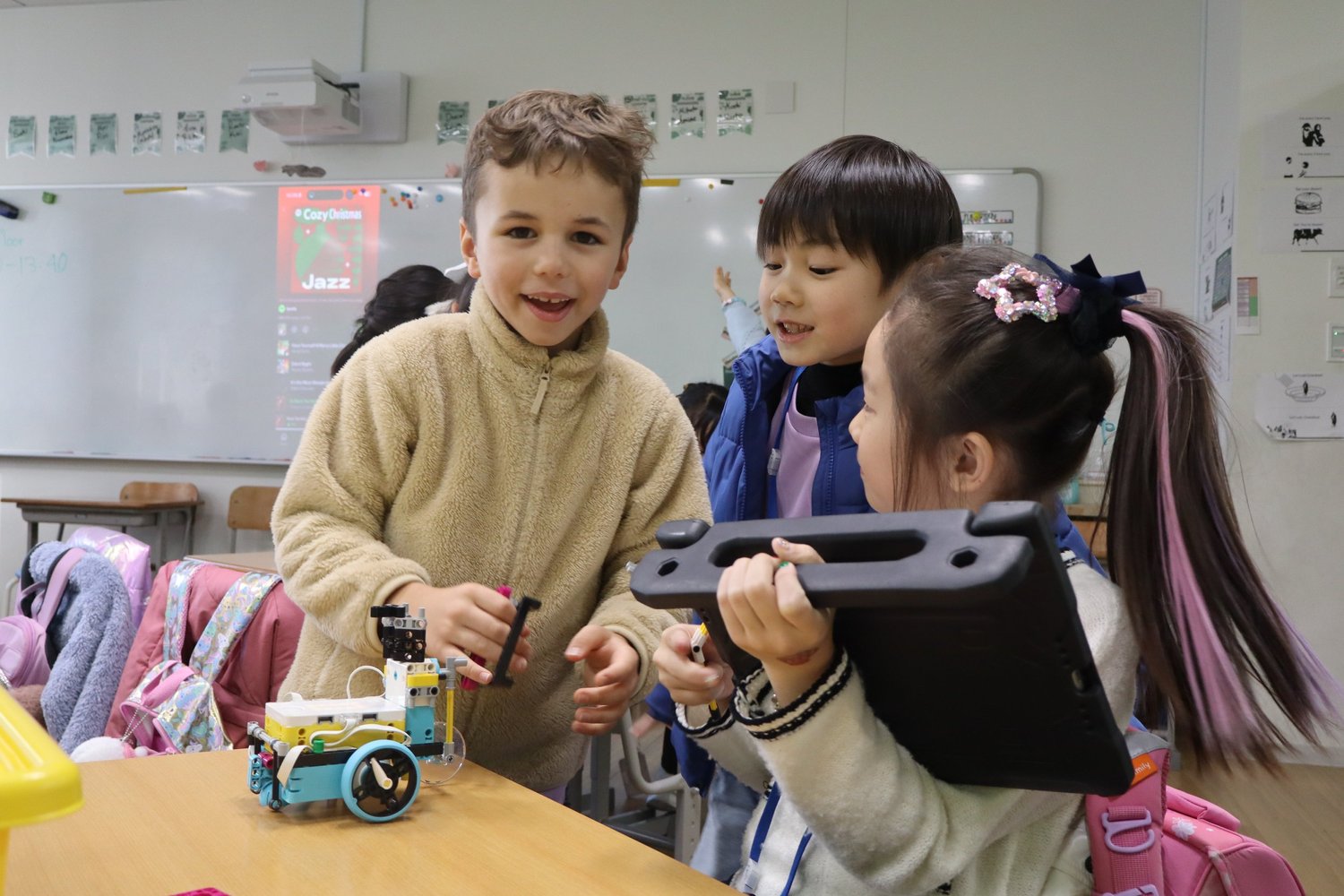
Children at Laurus Winter School
Regular10:00–15:30
Laurus students¥80,000/ week
External students¥85,000/ week
Early Arrival8:30–15:30
Laurus students¥95,000/ week
External students¥100,000/ week
What's included
STEAM themeExperimentsField trip

What One Week Actually Costs

A child joining from another school, for one regular week:
¥85,000 + ¥6,000 enrolment fee = ¥91,000 (tax included)

With Early Arrival (from 8:30): ¥100,000 + ¥6,000 = ¥106,000

Siblings applying for a Seasonal School or Programme are each charged the enrolment fee. The once-per-family rule applies to Seasonal Camp only.

AGE 11–16

For Ages 11–16

Winter Programme runs the same week (14–18 Dec). Laurus teachers lead near-university-level STEAM activities and research around the theme, and fieldwork visits to research facilities and companies deepen the learning and connect it to the real world.

View Winter Programme →
Ages
6–11
Booking unit
1 week (Mon–Fri)
Deadline
Mon 7 December 2026
About

What is Winter School?

Children at Laurus Winter School

In general, a winter school is a short, intensive educational programme held during the winter holidays. Unlike regular school lessons, it usually concentrates on one area — most often language learning, and increasingly science and technology — and runs for a fixed block of days rather than a term.

Laurus Winter School is a one-week programme for primary children aged 6–11. For five days, Monday to Friday, they work on a single STEAM theme entirely in English: asking a question, experimenting, building something and presenting what they found on Friday.

Lessons are led by native English-speaking teachers, and there is one field trip a week connected to the theme. It is a day programme with no overnight stay, and Early Arrival offers care from 8:30.

Laurus Winter Programmes

Three Programmes by Age

Laurus offers three winter programmes, divided by age and purpose — from 18 months to 16 years.

Winter Camp Winter School Winter Programme
Ages1.5–66–1111–16
Dates (2026)21–25 Dec14–18 Dec14–18 Dec
Booking unitFrom 1 day1 week5 days
Hours9:00–14:00 / 8:30–18:0010:00–15:30 / 8:30–15:3010:00–15:30
FeesFrom ¥12,000 per dayFrom ¥80,000 per week¥98,000 for 5 days
ContentPlay, crafts, science & world culturesInquiry-based STEAM, experiments & field tripsUniversity-level STEAM, research & certificate
View Winter Camp →(This page)View Winter Programme →
ENGLISH LEVEL

Will my child be able to follow along in English?

Lessons are conducted on the assumption that students can communicate in basic English. Japanese language support is generally not provided. Winter School is for ages 6 and up, so this applies to every participant.

English is brand newCurrently learning EnglishInternational school / returnee
Years 1–3 (ages 6–8)Please talk to us first◎ A good fit◎ A good fit
Years 4–6 (ages 9–11)Please talk to us first◎ A good fit◎ A good fit
11–16Please talk to us firstWinter Programme →Winter Programme →

If your child is 6 or older and completely new to English, please contact us before applying. Depending on age and circumstances, there may be a better route in.

If you also have a child under 6, Winter Camp (ages 1.5–6) is designed for preschool-age children: gestures, visual support and bilingual staff are part of how it runs. View Winter Camp →

Why Laurus

6 Reasons Families Choose Laurus

01

Cambridge International Certified

Laurus is one of the few international schools in Japan teaching the Cambridge International Curriculum, used in more than 160 countries. Winter School classes are taught by our own Cambridge-accredited teachers.

02

STEAM Education Pioneer

Japan's only STEAM-focused international school, teaching STEAM since 2016. Past winter themes have covered microbiology, light, cryptography and robotics — real subjects, taught as real subjects.

03

Full English Environment

The whole week runs in English, from arrival to home time, with native English-speaking teachers.

04

Real-World Experiences

Experiments, builds, field trips — and at the end of the week, children present what they found. In 2020 the week closed with children presenting their projects to the class on an iPad; in 2021, inspired by a field trip to teamLab Toyosu, each child designed their own “light room”.

05

A Full Week, with Early Arrival

Winter School runs Monday to Friday as one continuous project. Early Arrival adds supervised care from 8:30 — for many working families, those 90 minutes make the difference between possible and not.

06

From 18 Months to High School

Laurus offers a continuous pathway from Preschool to Year 12. Younger siblings under 6 can join Winter Camp (ages 1.5–6) the following week, and children aged 11–16 have their own Winter Programme.

Campus

Shiba Campus — A Science-Themed Learning Environment

Our Primary and Secondary campus sits on floors 7–10 of the Shiba Kokusai Building in Shiba, Minato-ku, just by Tokyo Tower. Inside this building, completed in 2023, is a science-themed learning environment conceived as an amusement park for the mind — a one-of-a-kind space for inquiry-based learning where children look, touch and think.

7F Ocean - Ocean science and the world of water
7F

Ocean

Ocean science and the world of water

8F Planet Earth - Biodiversity and the Life Library
8F

Planet Earth

Biodiversity and the Life Library

9F Singularity - AI, IoT and the maker space
9F

Singularity

AI, IoT and the maker space

10F Ad Astra - Space science and astronomy
10F

Ad Astra

Space science and astronomy

Location & Access

Address
Shiba Kokusai Building 7–10F, 4-1-30 Shiba, Minato-ku, Tokyo 108-0014
Phone
TEL: 03-6722-6310

By train

2 min walk from Mita Station (Toei Asakusa & Mita Lines)
5 min walk from Tamachi Station (JR Keihin-Tohoku & Yamanote Lines)

Explore four science-themed floors
designed to nurture curiosity.

View campus details
Campus life
Campus Life

Where Curiosity Grows

Every day brings something new to discover. In spaces built around science, children's “why?” becomes the power to shape their future.

Ocean Floor
Children learning
Entrance
Planet Earth
Classroom

A Week at Winter School

One theme, five days — from the first question to the final presentation.

* This is a sample schedule. Content and times may change.

The week (example)
MonDAY 1 · 12.14
Meet the theme

The question for the week is opened up, and teams are formed.

TueDAY 2 · 12.15
Investigate

Experiments and first attempts.

WedDAY 3 · 12.16
Field trip

Out of the classroom, to a place connected to the theme.

ThuDAY 4 · 12.17
Build

Teams make, test and rebuild.

FriDAY 5 · 12.18
Present

Teams show the class what they made and what they found.
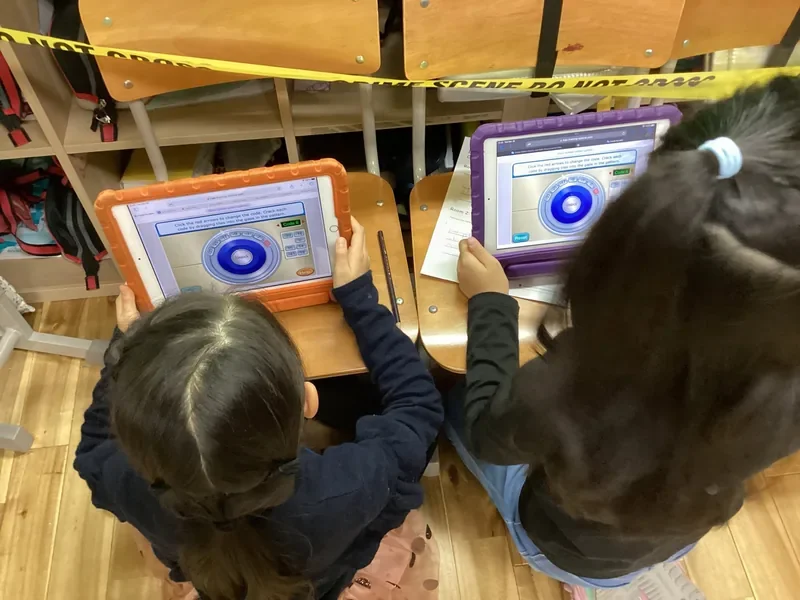
A day (example)
Regular (10:00–15:30) Early Arrival (8:30–15:30)
Early ArrivalEarly Arrival
8:30–10:00
Early Arrival

Every morning starts with exercise in the rooftop gym, followed by activities in class.

ArrivalRegular course
10:00
Arrival

The regular course starts here.

Morning Circle
10:00–10:20
Morning Circle

The day's plan, and the words and phrases that go with it.

Theme Session
10:20–11:30
Theme Session

The core lesson, where the week's question moves forward.

Science / Hands-on
11:30–12:20
Science / Hands-on

Experiments, measuring and making things work.

Lunch
12:20–13:10
Lunch
Project Work
13:10–14:10
Project Work

Teams build towards Friday.

Activity / PE
14:10–15:00
Activity / PE

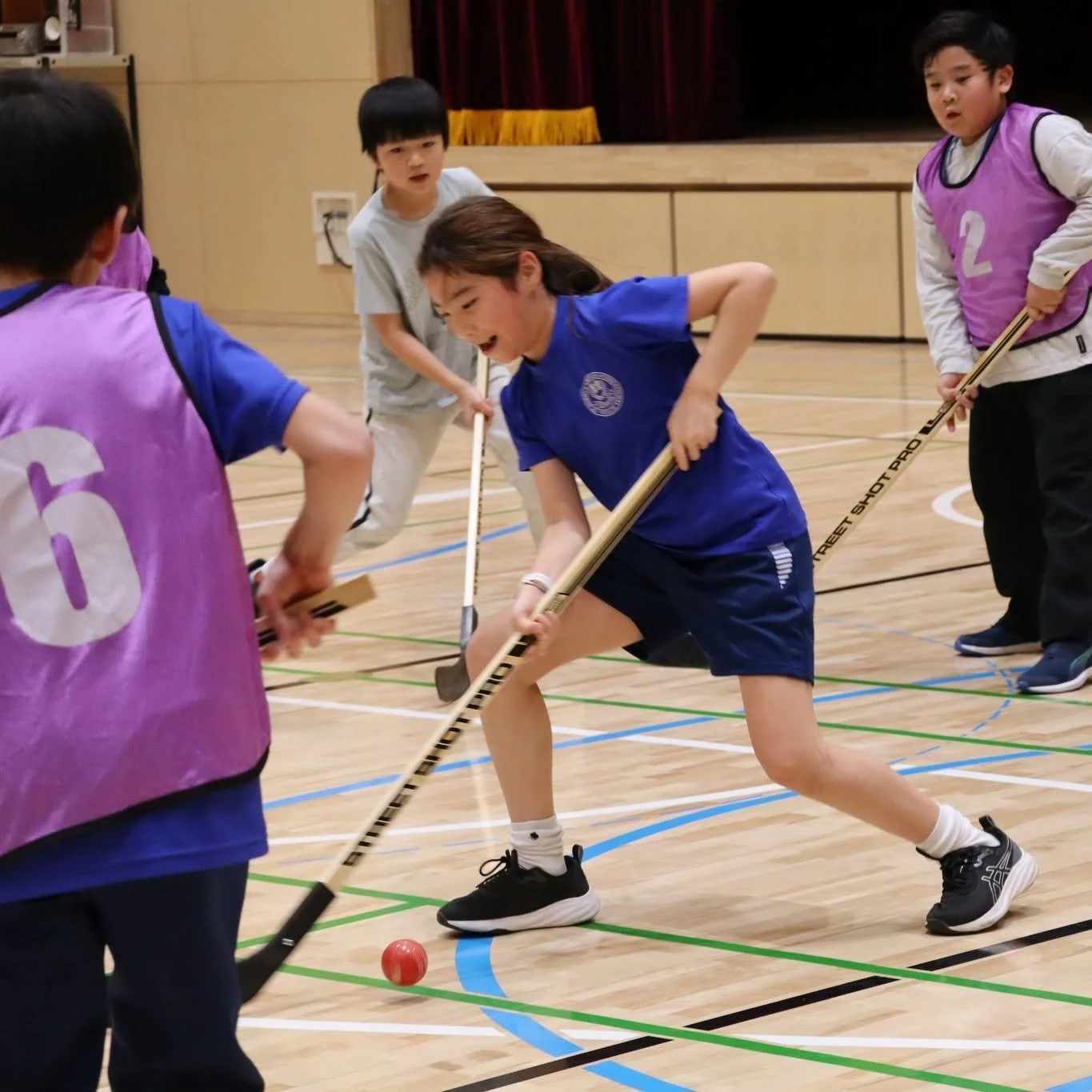
Time to move — a break that is also part of the day.

Reflection & Closing
15:00–15:30
Reflection & Closing

What we found today, and what comes tomorrow.

Past Themes

Past Themes

A different theme every year — here is what past weeks have looked like.

2026Seasonal Festive Market

Inspired by seasonal markets, children plan, make and improve festive products of their own. A seasonal field trip provides inspiration, and on the final day they present their creations at a special market for their families.

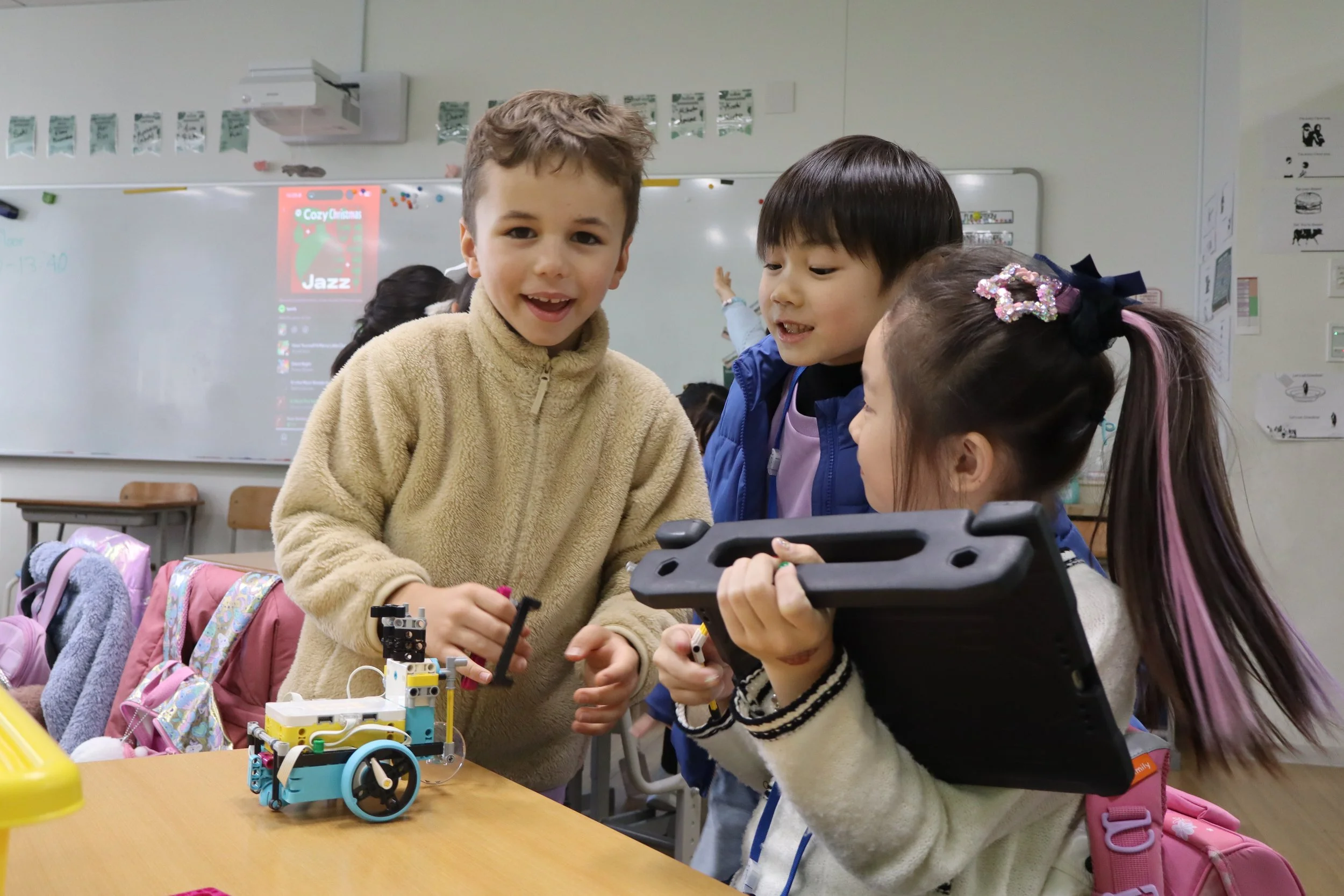
2025The Robot Olympics
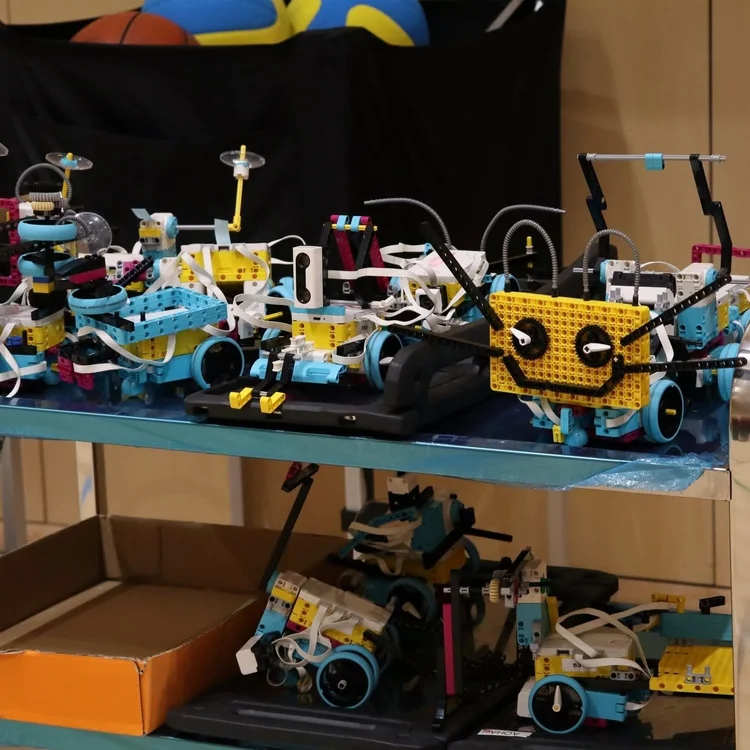
Winter School 2025 – The Robot Olympics
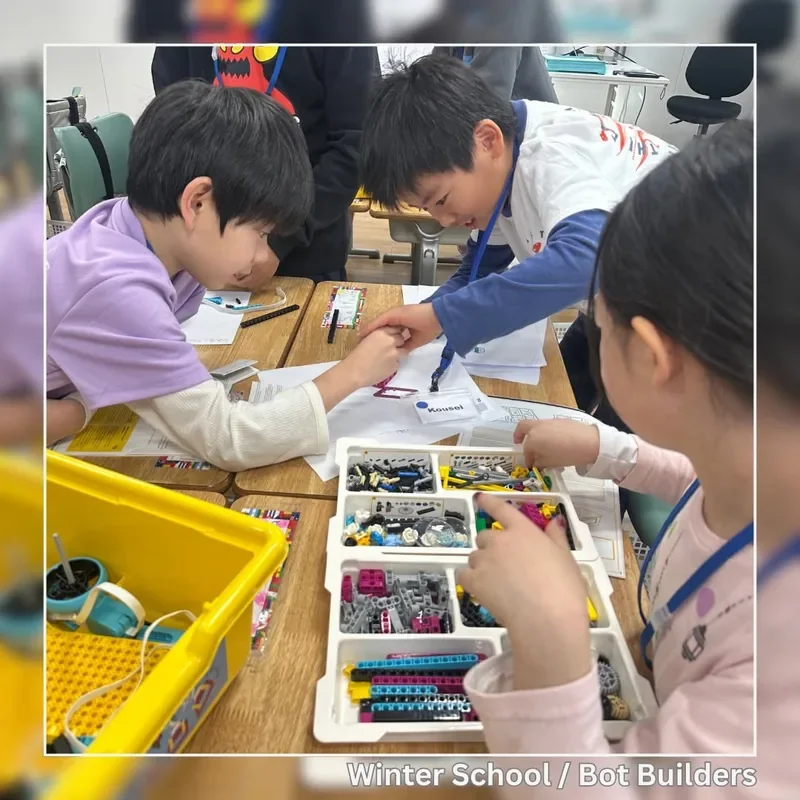
2024Bot Builders Academy

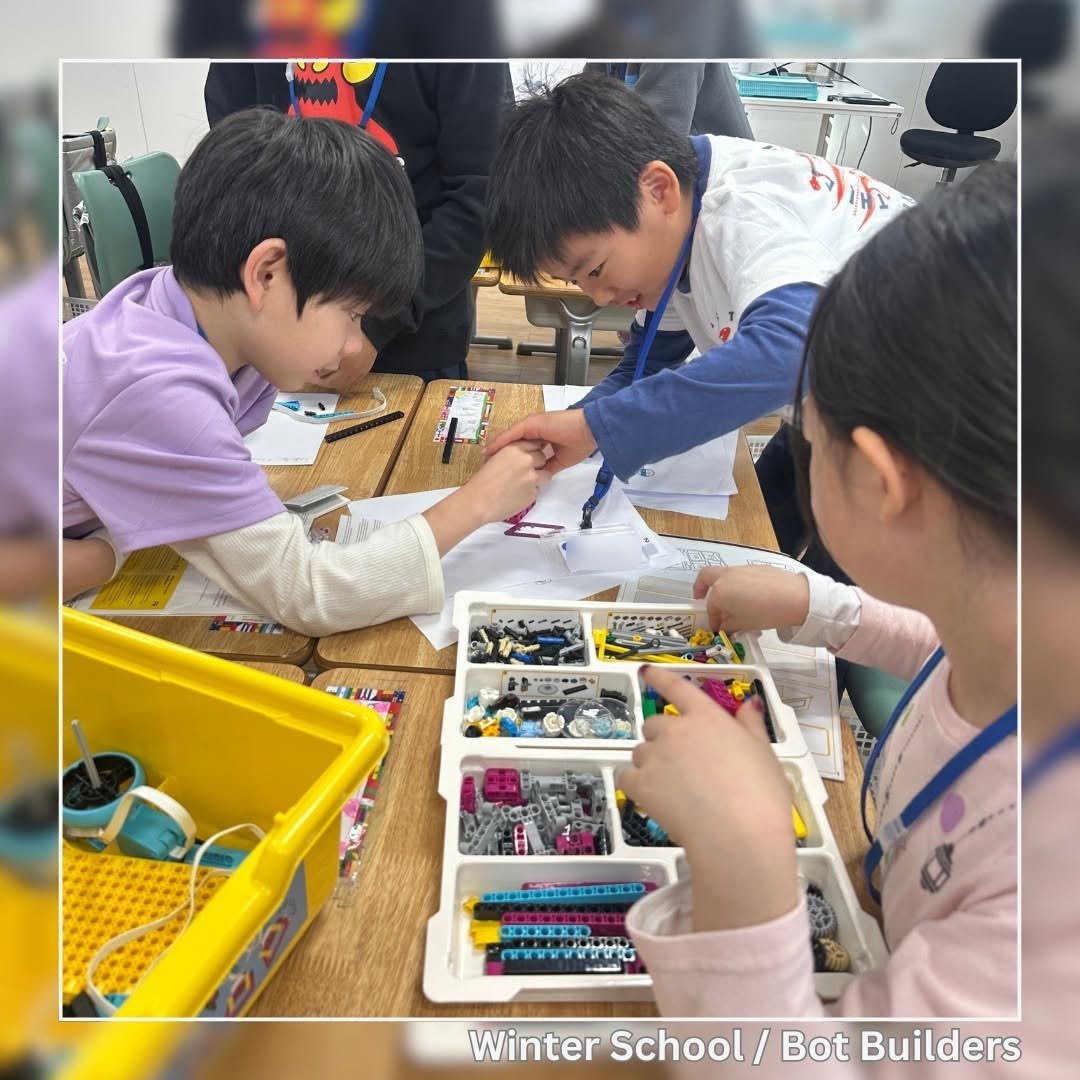
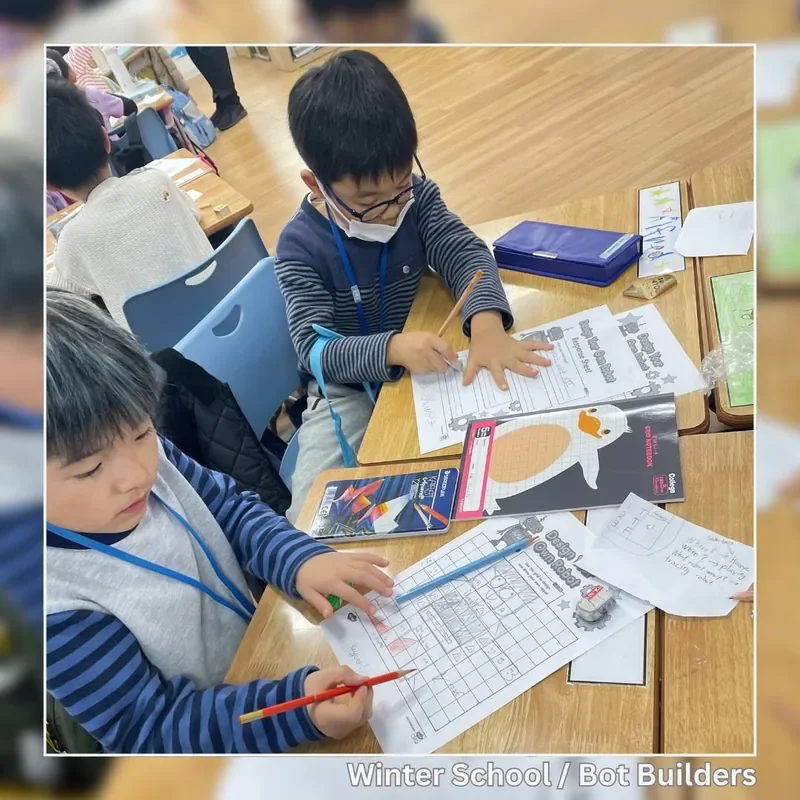
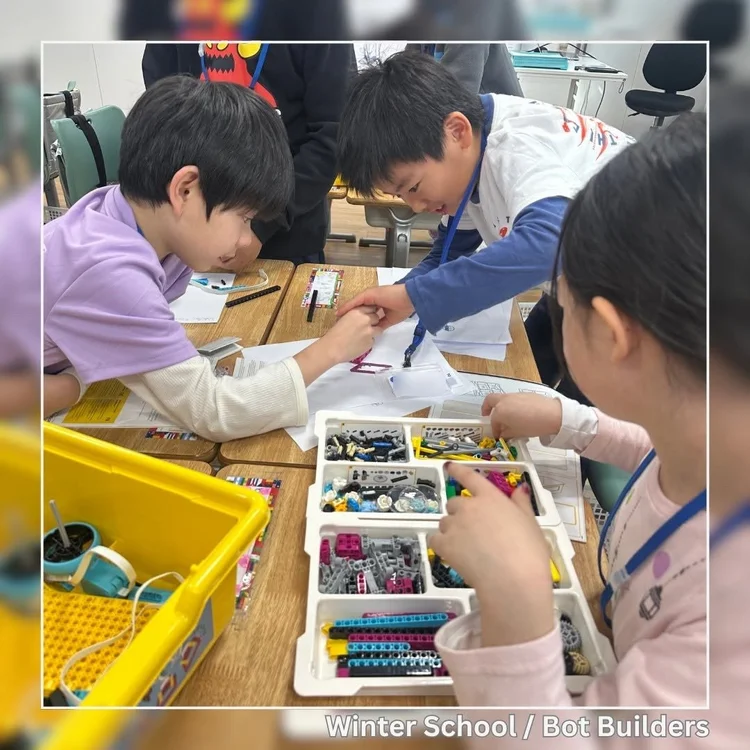
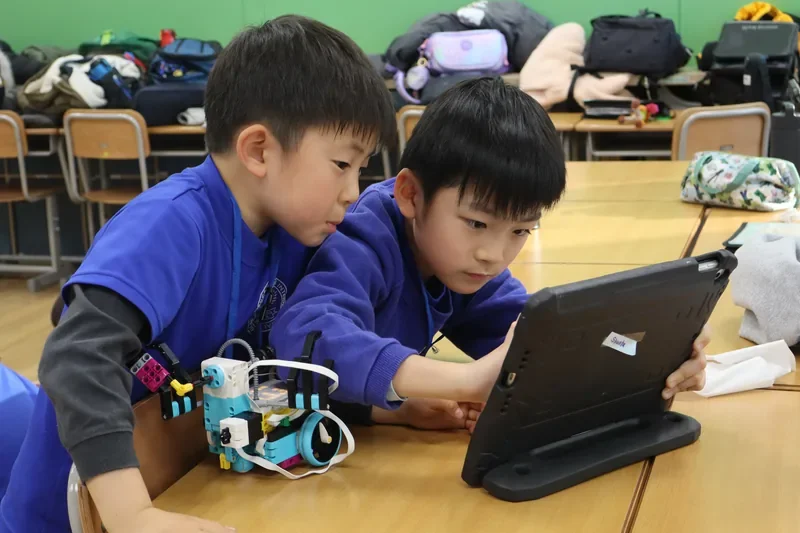
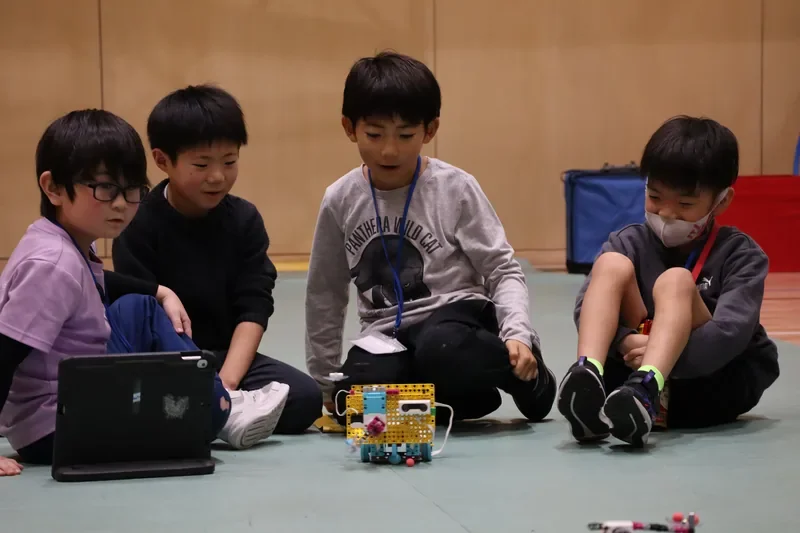
Robotics. Children built their own robots and brought them to life.
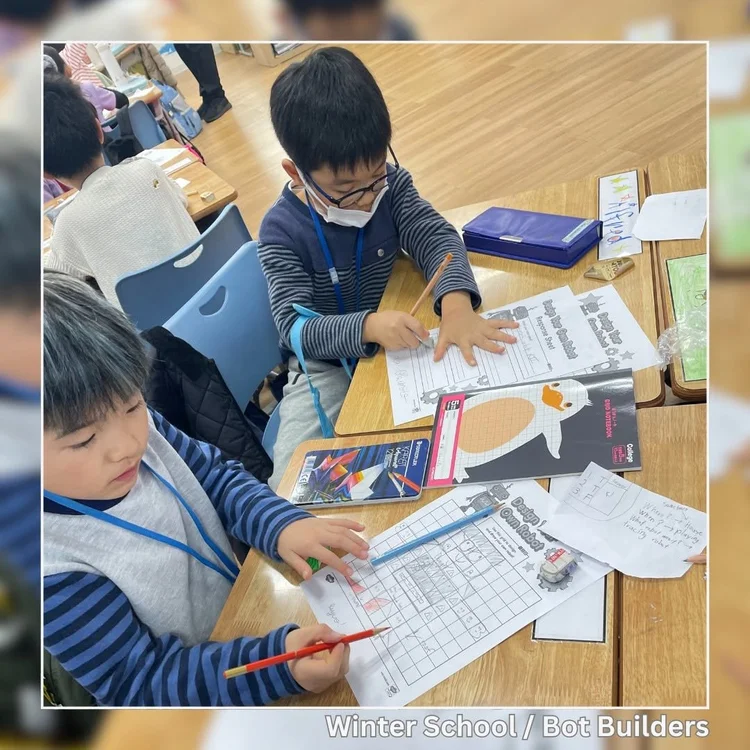
Winter School 2024 – Bot Builders Academy
2023Young chemist Academy
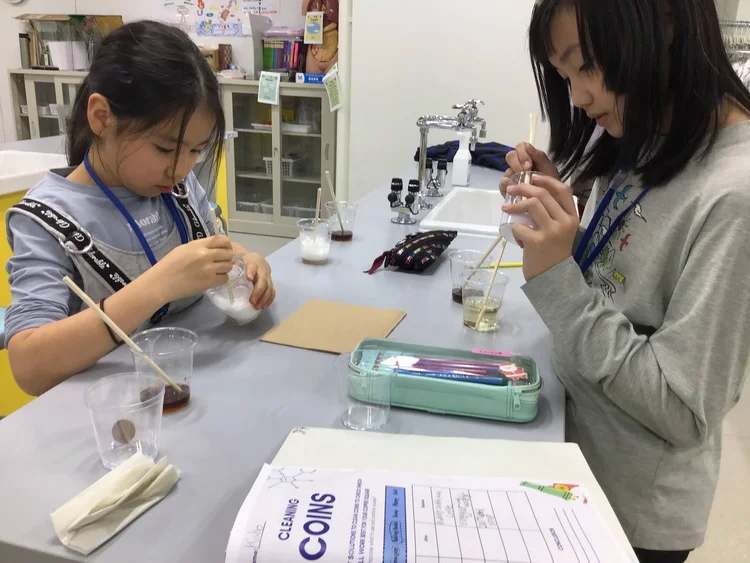
Winter School 2023 – Young chemist Academy
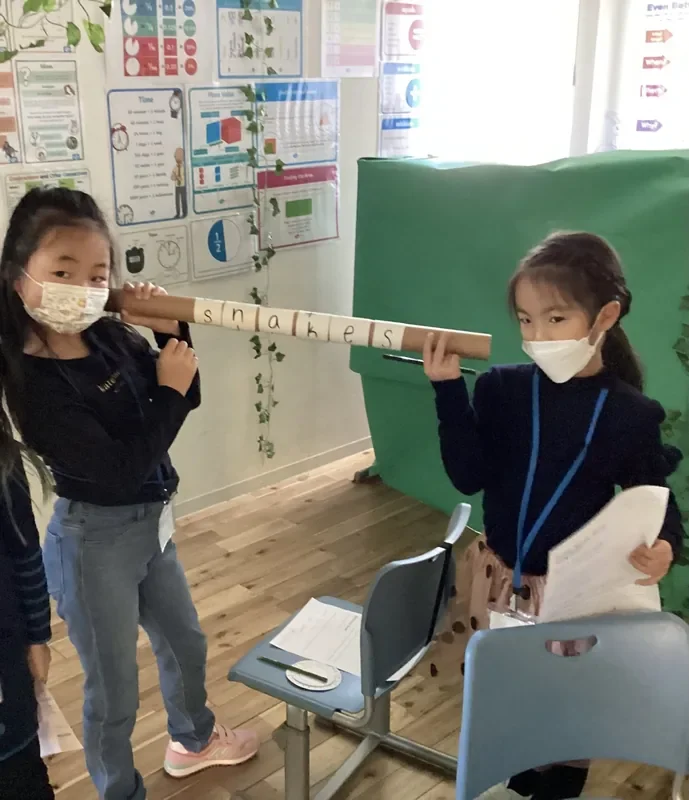
2022Code Breakers

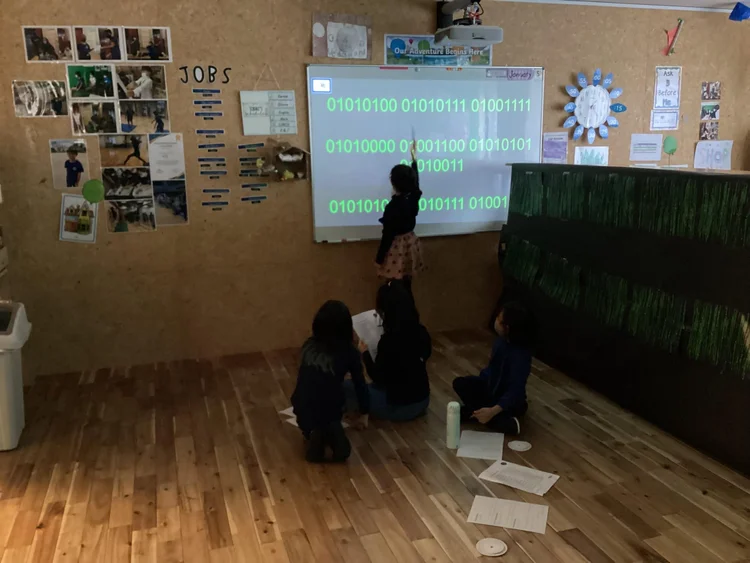
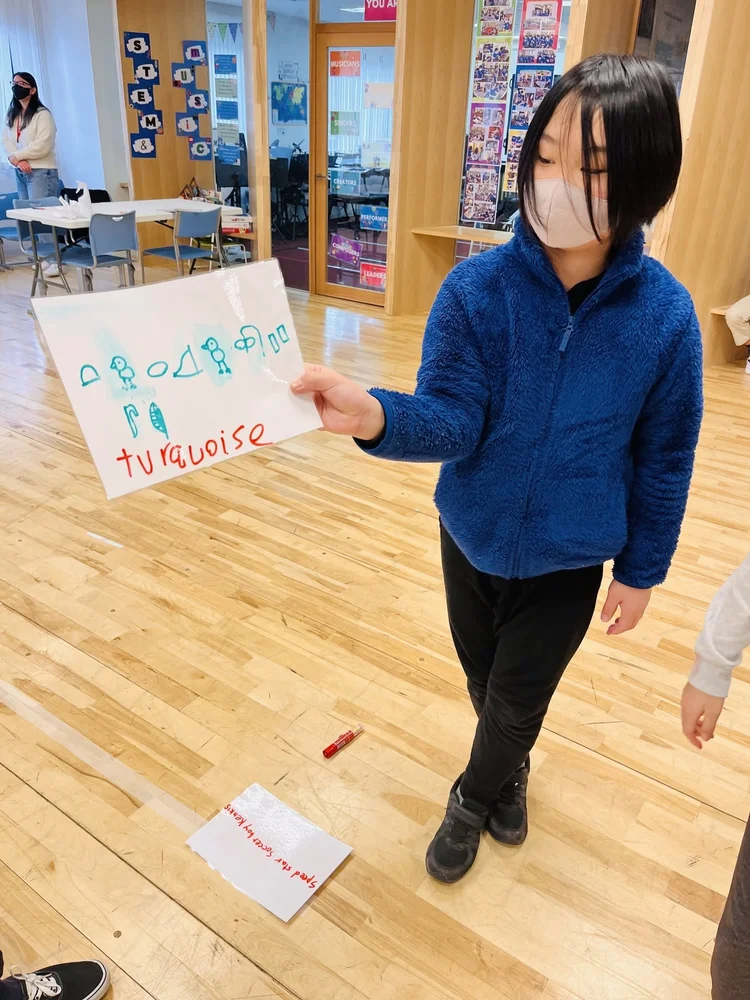
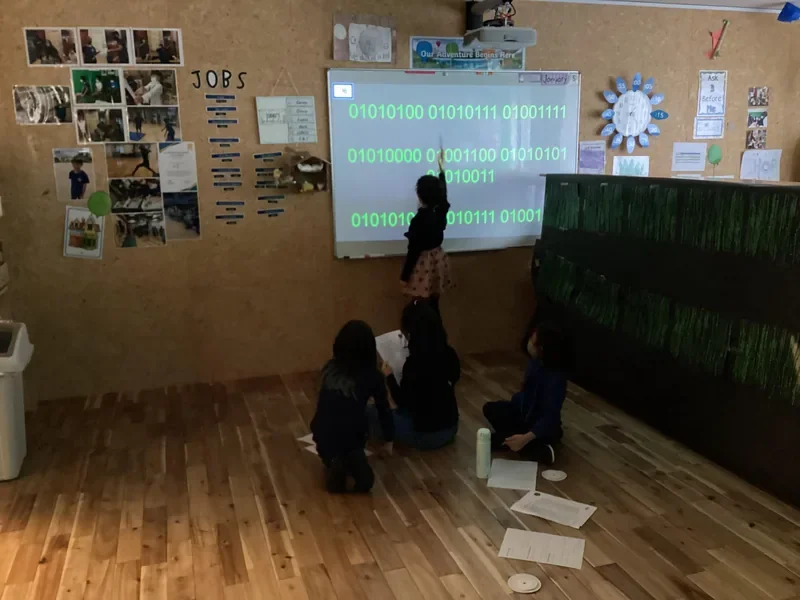
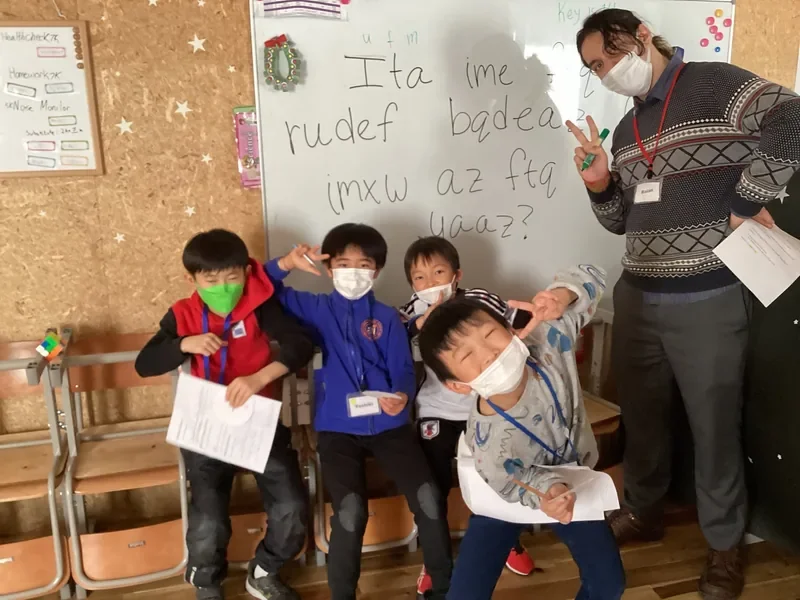
Codebreaking — ciphers and cryptanalysis.
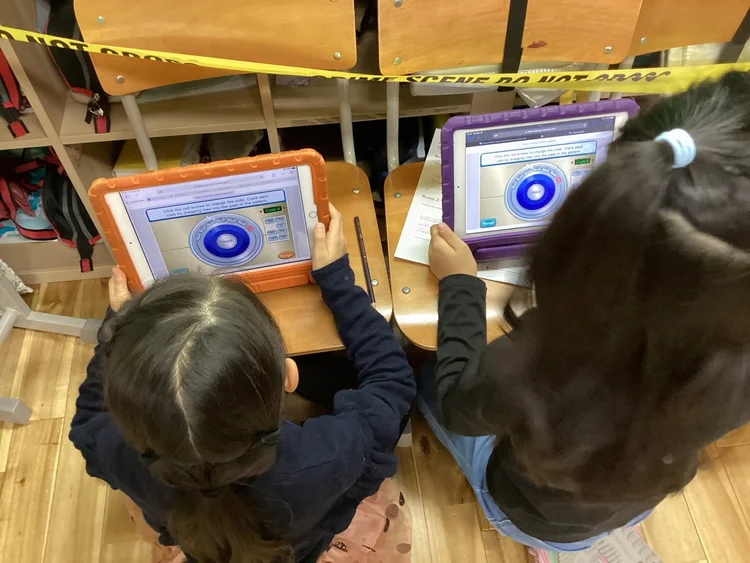
Winter School 2022 – Code Breakers
2021Light it up!

A field trip to teamLab Toyosu, including a meeting with the people who made the works — and then a brief: design a light experience room of your own.
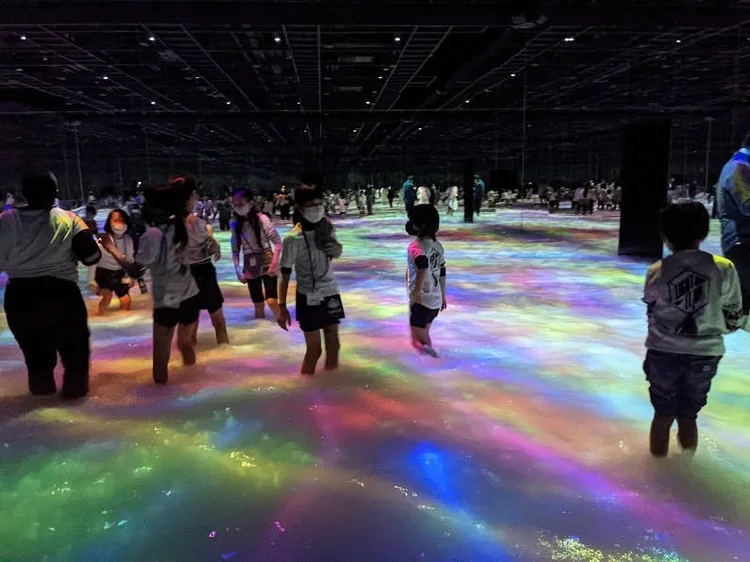
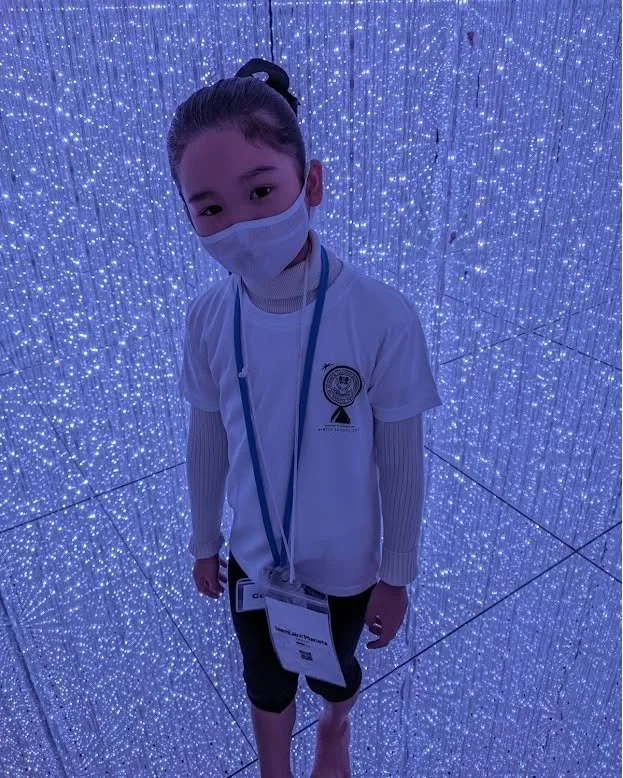
Winter School 2021 – Light it up!
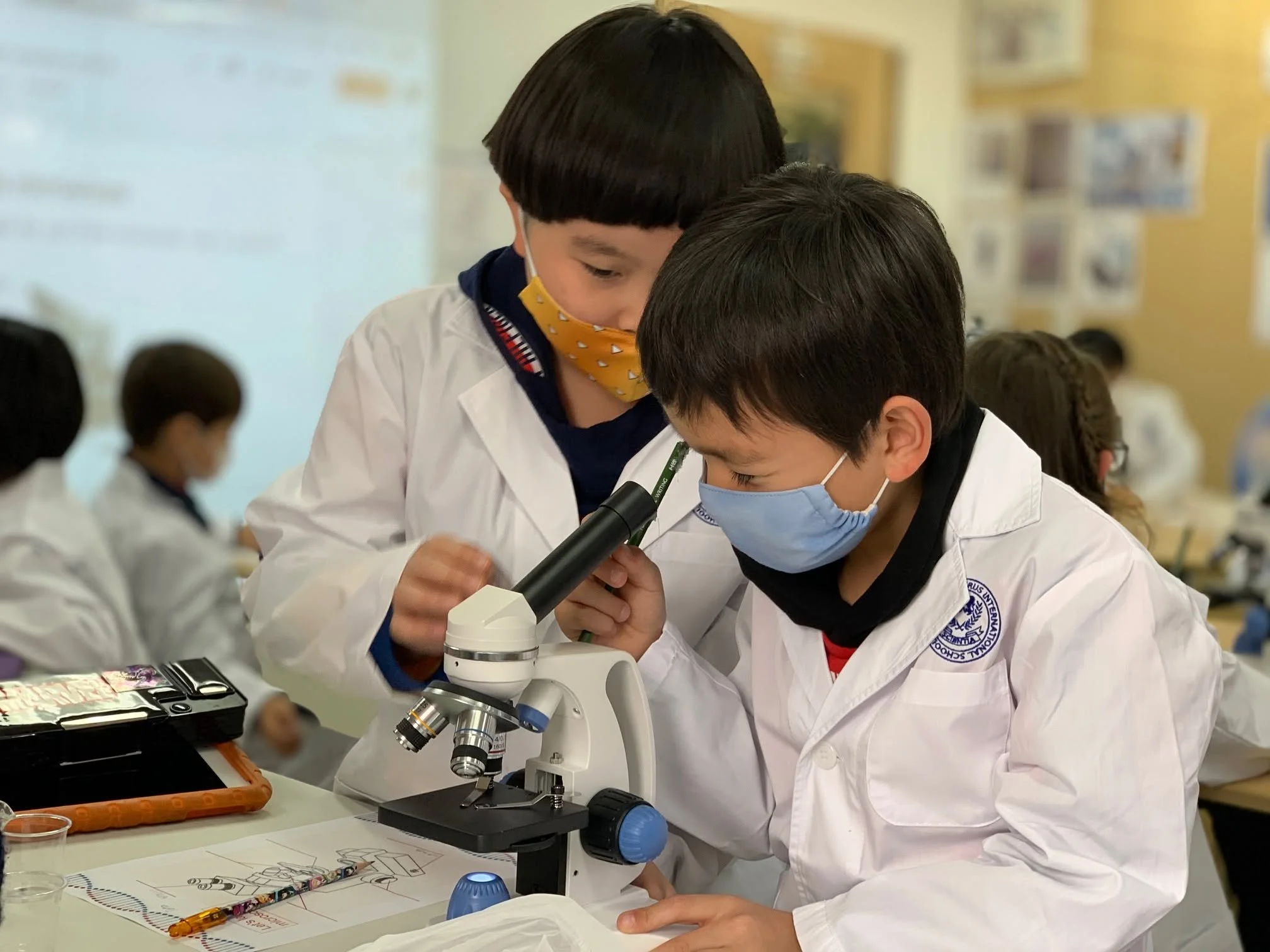
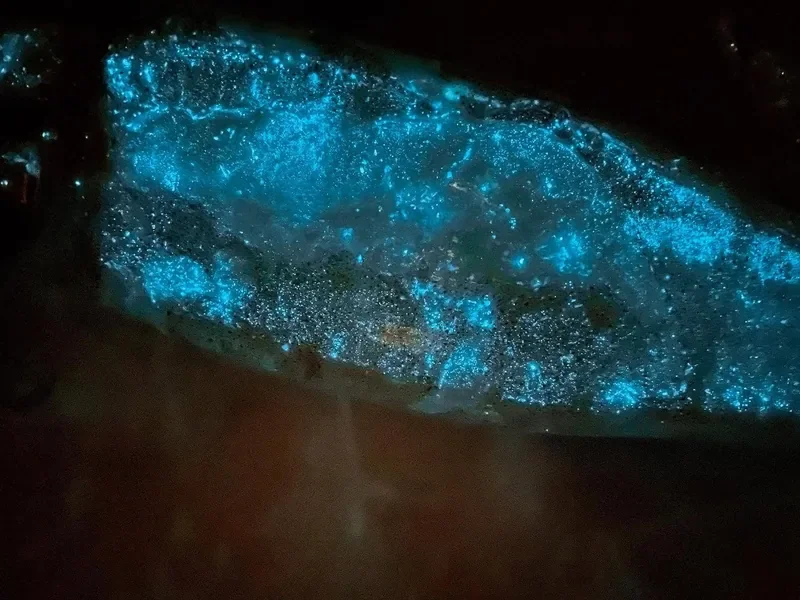
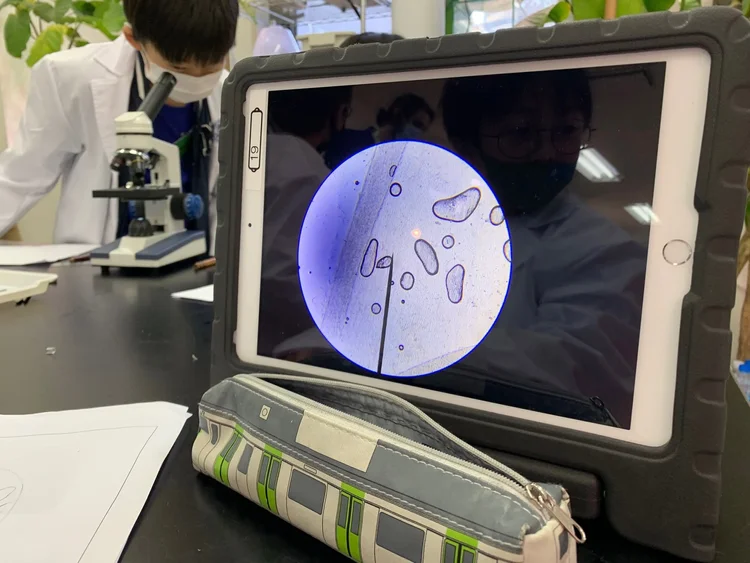
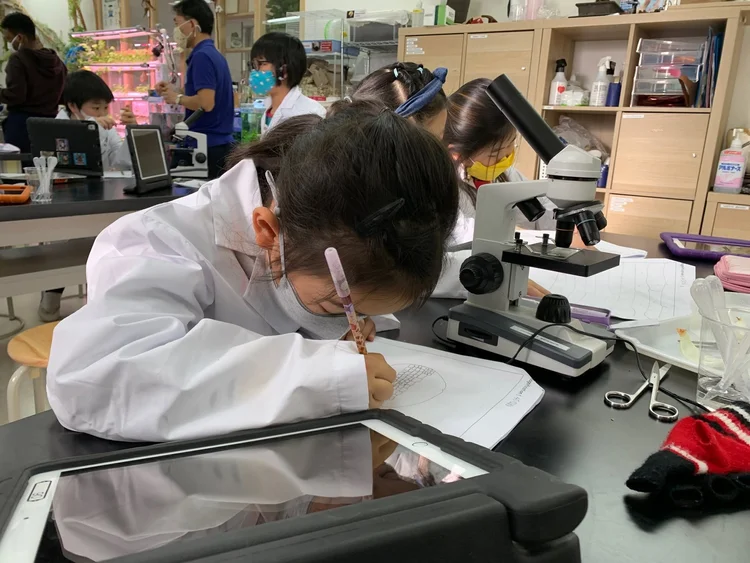
2020Fantastic Microscopic Universe

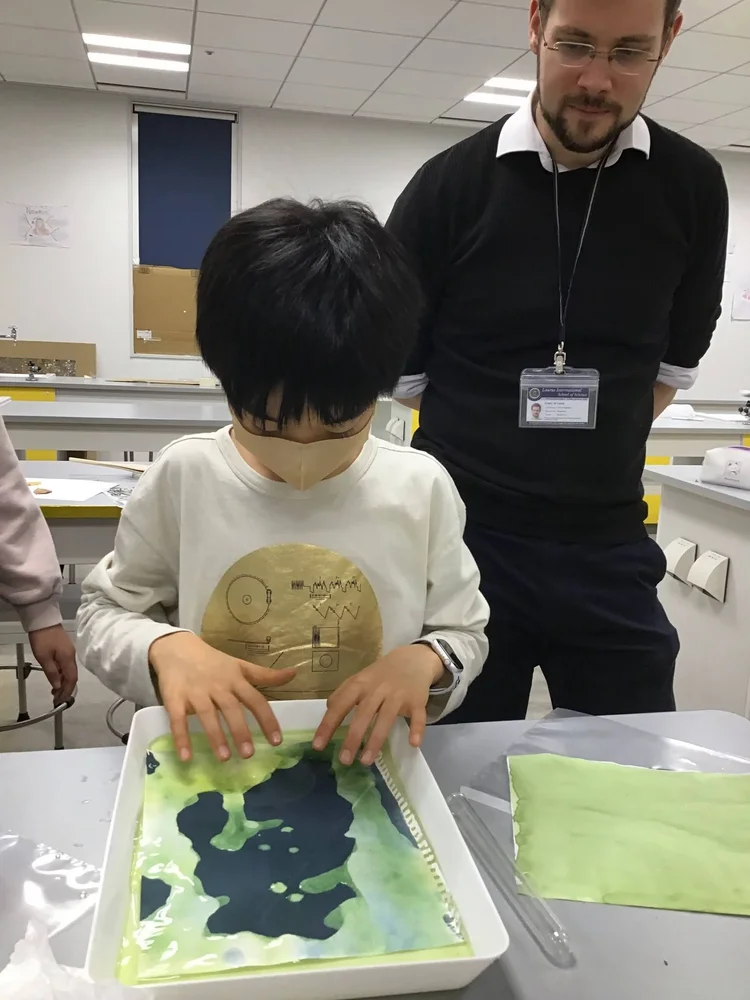
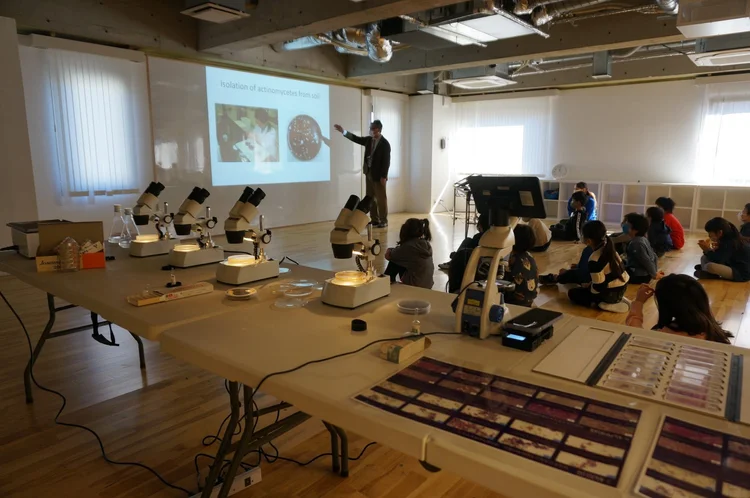
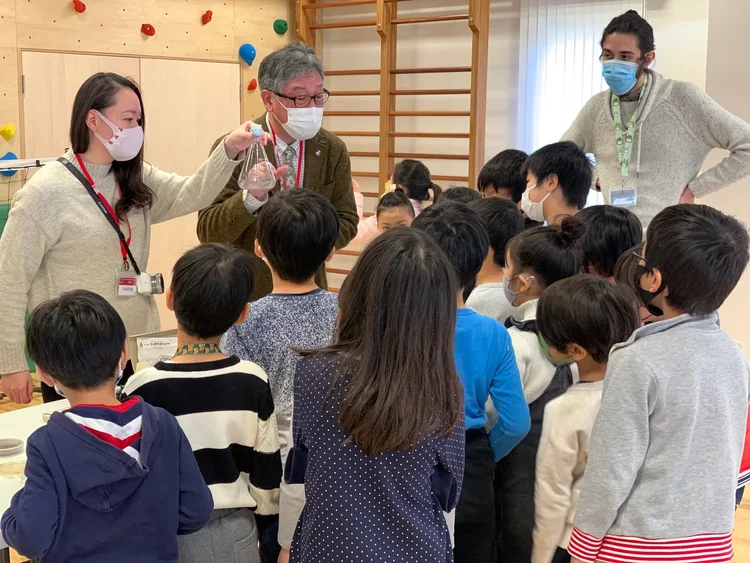
A week inside the world of microbes, working in teams (Team Fungi among them), closing with each child presenting their project to the class on an iPad.
Winter School 2020 – Fantastic Microscopic Universe
2019Illuminate the World
2018Antarctic research expedition
2017The Miracle of Modern Alchemy
2016Arctic Living
Voices

What Parents Say

Feedback from parents whose children joined Winter School

From our Winter 2025 School & Camp participant survey
Satisfaction
4.3/5
Rated the content "Excellent / Good"
91%
New to Laurus
41%
Satisfied with the experience
86%
★★★★★
“The content is interesting every time and the teachers are so kind — my son looks forward to every single session. We're grateful to the team for organising everything so carefully, from the bus service right down to the field trips.”
Parent of a Primary student / Winter School 2025 (returning family)
★★★★★
“He had such a wonderful time — he still treasures the picture-book booklet from the programme and reads it again and again. Thank you so much.”
Parent of a Primary student / Winter School 2025 (from another school, first time)
★★★★★
“Watching him, I could see how much he was enjoying it.”
Parent of a Primary student / Winter School 2025
★★★★★
“It helped enormously that the bus ran on its usual schedule.”
Parent of a Primary student / Winter School 2025 (returning family)
★★★★★
“He seems to have genuinely loved building the robot, so I think hands-on programmes like this will be popular.”
Parent of a Primary student / Winter School 2025 (from another school, returning family)
★★★★★
“There was PE as well, which gave them a breather — the content was good.”
Parent of a Primary student / Winter School 2025 (from another school, first time)
Guide

How to Choose a Winter School

Four Things Worth Checking

1
The English environment — and the English level assumed
Not “is it in English?” but “what level does it assume?” A programme that assumes far more than your child has makes for a long week.
2
How you join — by the day or by the week
By the day is flexible. By the week lets a project actually finish.
3
Safety and staffing
How many adults, with what qualifications, and what happens on a field-trip day.
4
What the price does and does not include
Enrolment fees, bus, lunch, materials, cancellation charges. Check the total, not the headline price.
How to Apply

How to Apply

Four simple steps

1
Apply online
Fill in the application form.
2
Confirmation
We'll send you the details and fees.
3
Payment
Pay in cash at a convenience store or by online bank transfer.
4
Get ready
We'll send you a list of what to bring.

Key Dates for Winter School 2026

ProgrammeMon 14 – Fri 18 December 2026
DeadlineMon 7 December 2026
PaymentWithin 2 weeks of applying (within 1 week if applying less than 2 weeks before the start)
Changes & cancellationsAdmin fee ¥1,000. After the application deadline, no course changes or refunds are possible.
Families living overseasPlease submit a copy of an insurance policy valid in Japan.

See all our winter programmes: Laurus winter programmes
FAQ

Frequently Asked Questions

About the programme

Q.What is Winter School?
A.A short, intensive educational programme held during the winter holidays. At Laurus it runs for one week, Monday to Friday, on a single STEAM theme, entirely in English, for children aged 6–11. It is a day programme: children come in the morning and go home in the afternoon, with no overnight stay.
Q.How is this different from an overseas winter school?
A.Broadly, there are three formats. Overseas programmes involve travel and usually a homestay or residence. Domestic day programmes, like ours, run from a campus you commute to. Online programmes run from home. The differences in cost are large, and so is the amount of family logistics involved. On results, the honest answer is that going abroad is not the deciding factor. Serrano, Llanes & Tragant (System, 2016) compared learners in an intensive domestic programme with learners on a short study-abroad programme and did not find a meaningful gap between them; the same research group had earlier found that intensive domestic study produced clearly larger gains than the usual few hours of English a week. What appears to matter is whether a child spends a concentrated stretch of time inside the language, not which country they do it in.
Q.When are the winter holidays for primary school children?
A.There is no single national date. Under Article 29 of the Enforcement Order of the School Education Act, public school holidays are set by each municipal board of education, so they differ by area — sometimes by several days at each end. Most public primary schools around Tokyo break up in the second half of December and return in early January. Please check the letter from your child's school before you apply. Our programme runs from Monday 14 to Friday 18 December, which in many Tokyo municipalities is the last week of the second term. (Sources: Enforcement Order of the School Education Act, Article 29; MEXT, “On School Holidays” (2014))
Q.What's the difference between Winter School and Winter Camp?
A.Age and format. Winter School is for ages 6–11, runs by the week and follows a structured curriculum. Winter Camp is for ages 1.5–6, is activity-based and can be joined from a single day. Winter Programme is for ages 11–16. Both School and Camp are day programmes.

English level & eligibility

Q.Can we join for less than a week?
A.No. Winter School runs by the week, with a minimum of one week. If you need day-by-day flexibility and your child is under 6, Winter Camp can be joined from a single day.
Q.Can children who don't attend Laurus join?
A.Yes. All our winter programmes are open to external students, and many families first come to Laurus through our winter events. In our Winter School 2025 survey, 6 of 10 families joined from outside Laurus.
Q.We live overseas. Are there any visa requirements?
A.No specific visa is required, and children can join on any visa status. Please submit a copy of an insurance policy valid in Japan that covers your child during the programme. Participation may be declined if we cannot confirm the required documents.

Fees & applications

Q.How much does it cost? Is there an enrolment fee?
A.One week costs ¥80,000 for Laurus students and ¥85,000 for external students; with Early Arrival (from 8:30) it is ¥95,000 and ¥100,000 respectively. All prices include tax. The first-time enrolment fee is ¥6,000 per family. Siblings applying for a Seasonal School or Programme are each charged the enrolment fee (the once-per-family rule applies to Seasonal Camp only).
Q.When are the application and payment deadlines?
A.Applications close one week before your chosen week starts. Payment is due within two weeks of applying, or within one week if you apply less than two weeks before the start.
Q.Can I cancel? Is there a charge?
A.Yes. However, after the application deadline we are unable to change courses or give refunds. An admin fee of ¥1,000 applies to all changes and cancellations.

Daily life & facilities

Q.What should my child bring?
A.Indoor shoes, a water bottle, clothes your child can move and get messy in (there are experiment and making days), warm outerwear (for the field-trip day), a change of clothes, and a notebook and pencil case. Please write your child's name on everything.

Other

Q.Can siblings join together?
A.Yes. Note that when siblings apply for a Seasonal School or Programme, the enrolment fee is charged for each child; it is charged once per family only when siblings apply for Seasonal Camp at the same time.
Q.We are visiting Japan temporarily. Can we join?
A.Yes. There are no visa restrictions; we only ask for a copy of an insurance policy valid in Japan. Please bear in mind that lessons assume basic English communication, and Japanese language support is generally not provided.
Gallery
Moments from past winter programmes
Winter School gallery 1
Winter School gallery 2
Winter School gallery 3
Winter School gallery 4
Winter School gallery 5
Winter School gallery 6
Winter School gallery 7
Winter School gallery 8

Choose by your child's age

Winter Camp(Ages 1.5–6)
Winter School(Ages 6–11)
Winter Programme(Ages 11–16)
Passion. Inquiry. Innovation.
Creating future innovators who change the world for the better.