

Summer School
Looking for a summer school in Tokyo? Laurus is one of Japan's few international schools offering the Cambridge International Curriculum, recognized in over 150 countries. Our summer school provides world-class STEAM education—science experiments, VR/AR, astronomy, bioscience—in a full English environment.
↓ Select your child's age group
This Summer, Discover the Joy of "I Want to Try!"
Laurus English Summer School is more than just learning English. It combines STEAM education that nurtures scientific thinking with international experiences in a full English environment. Transform your child's summer vacation into a special time that sparks curiosity and discovers the joy of learning.
Program Highlights
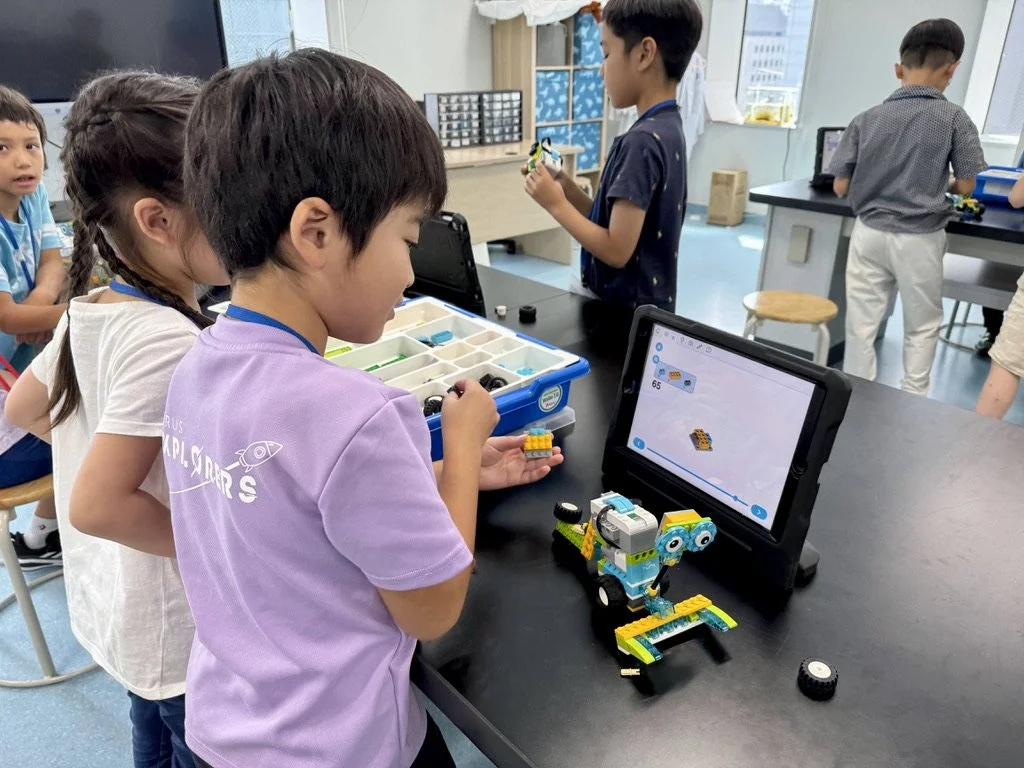
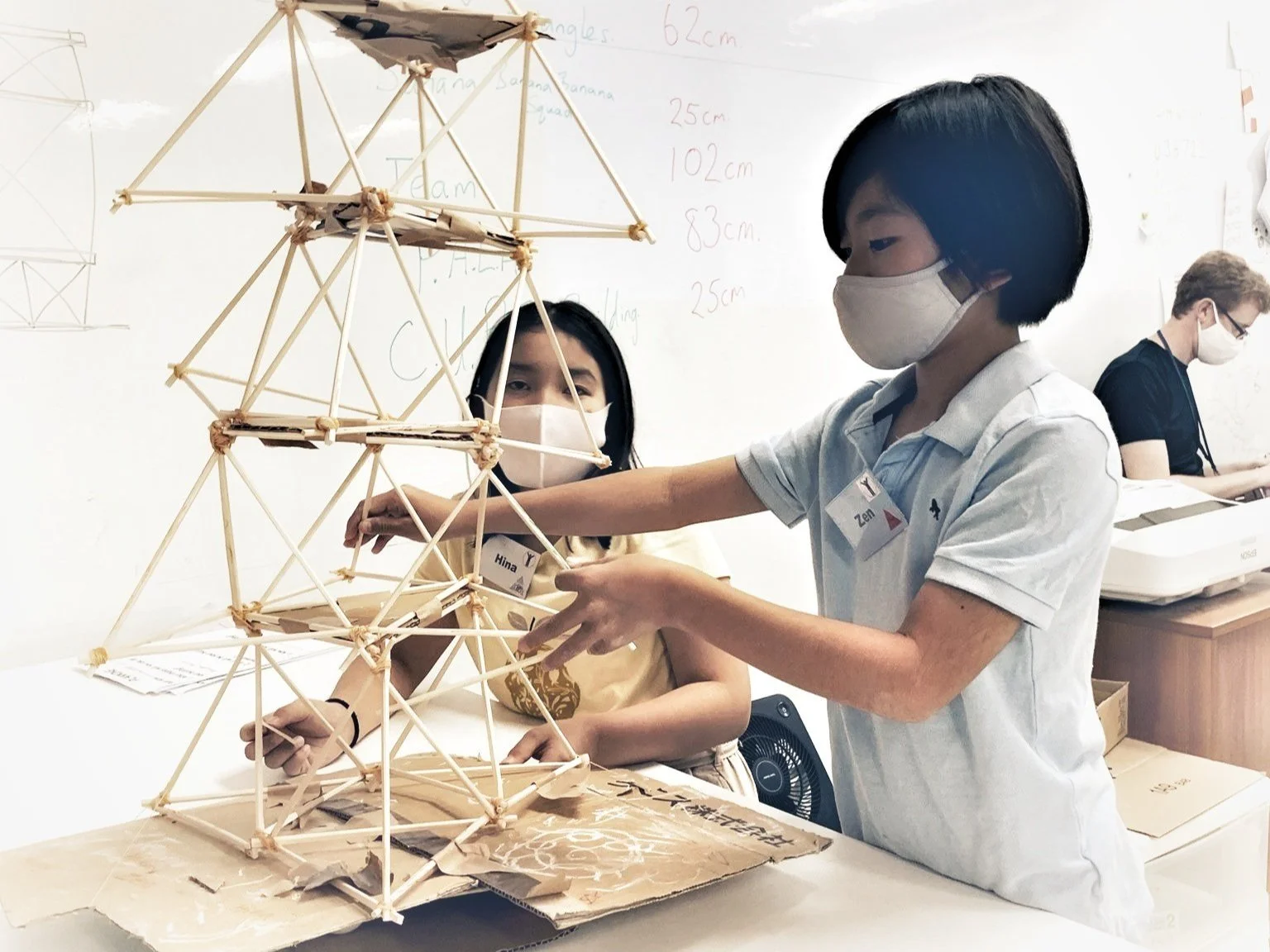
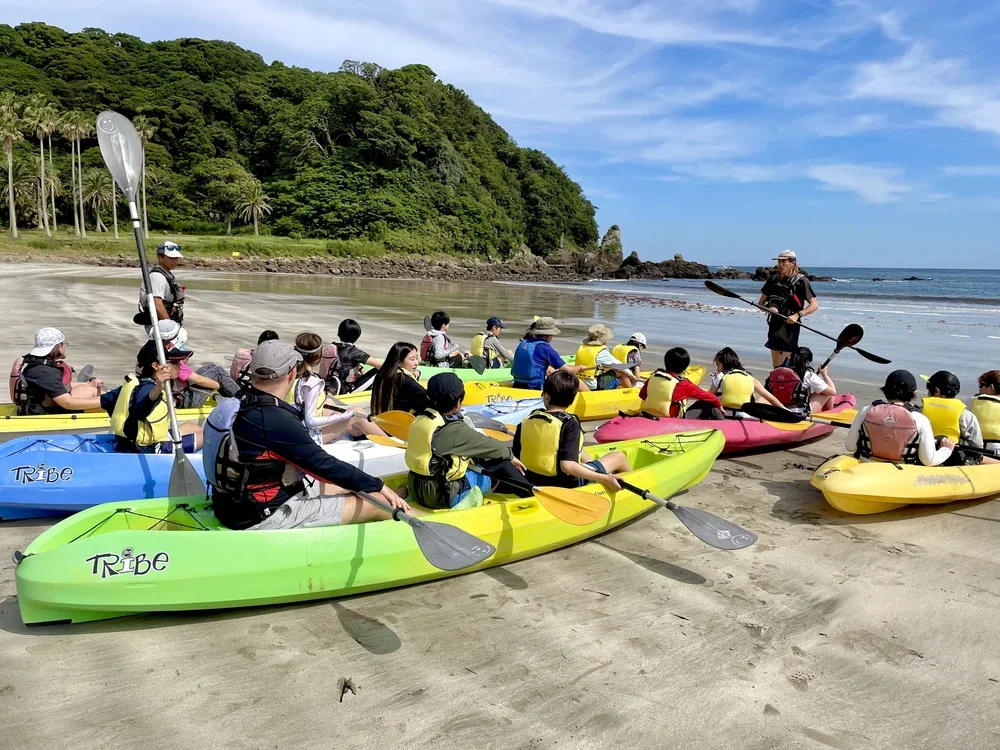
Activities from past summer programs
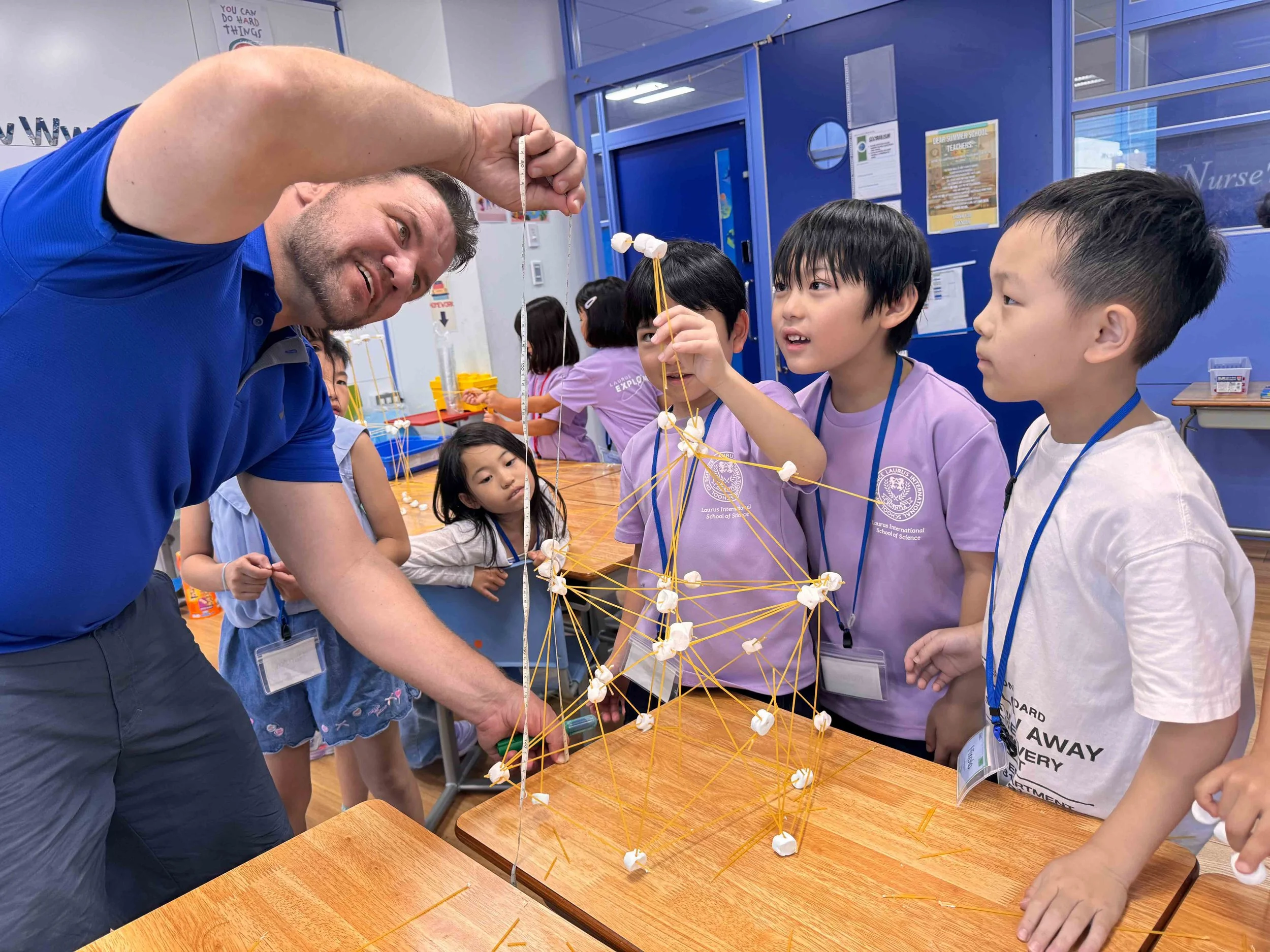
Hands-on learning through science and creativity


Authentic STEAM Education
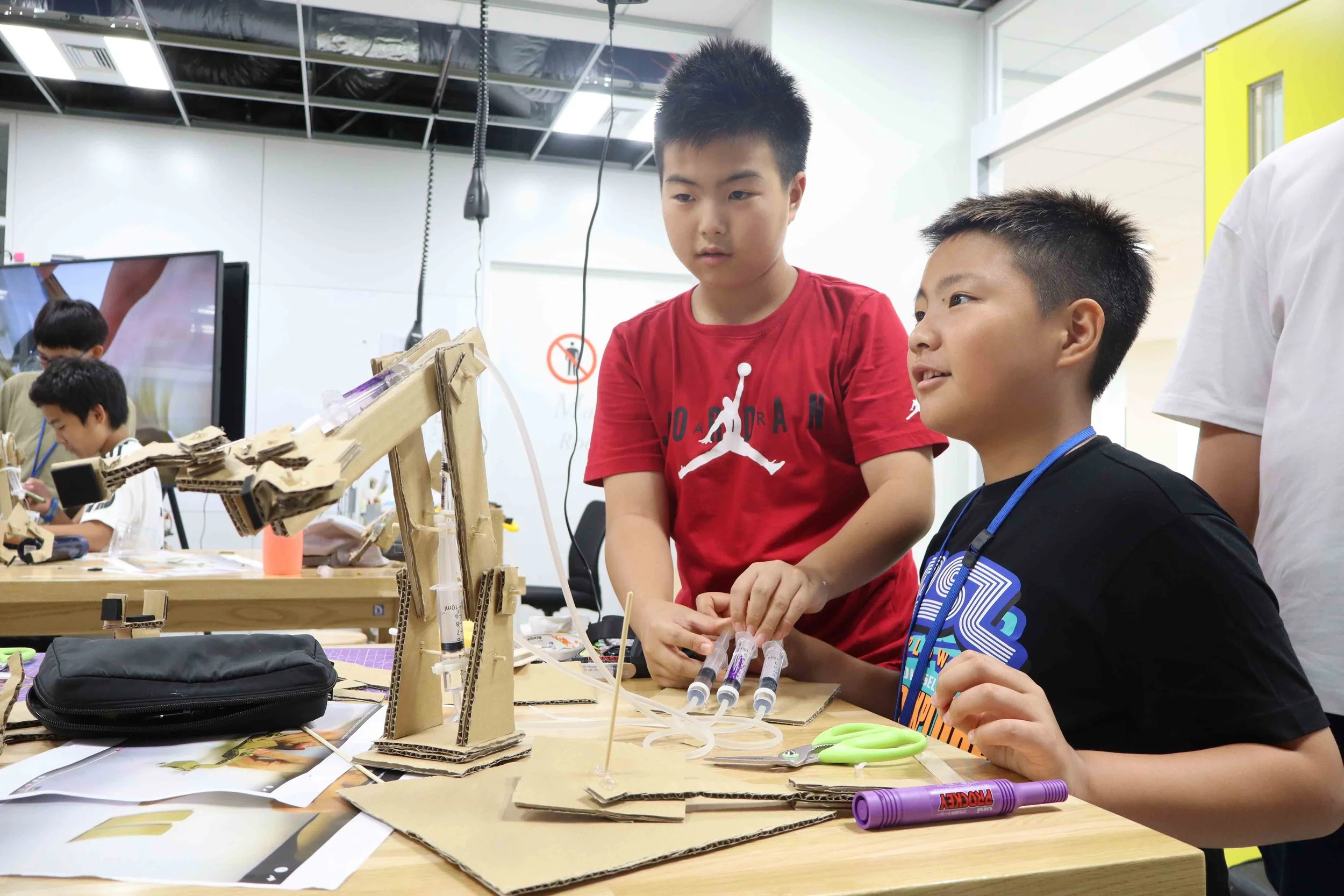
Age-appropriate curriculum featuring science experiments, programming, robotics, and more
All-English Environment
Full English immersion with native teachers—develop natural English skills
Weekly Field Trip
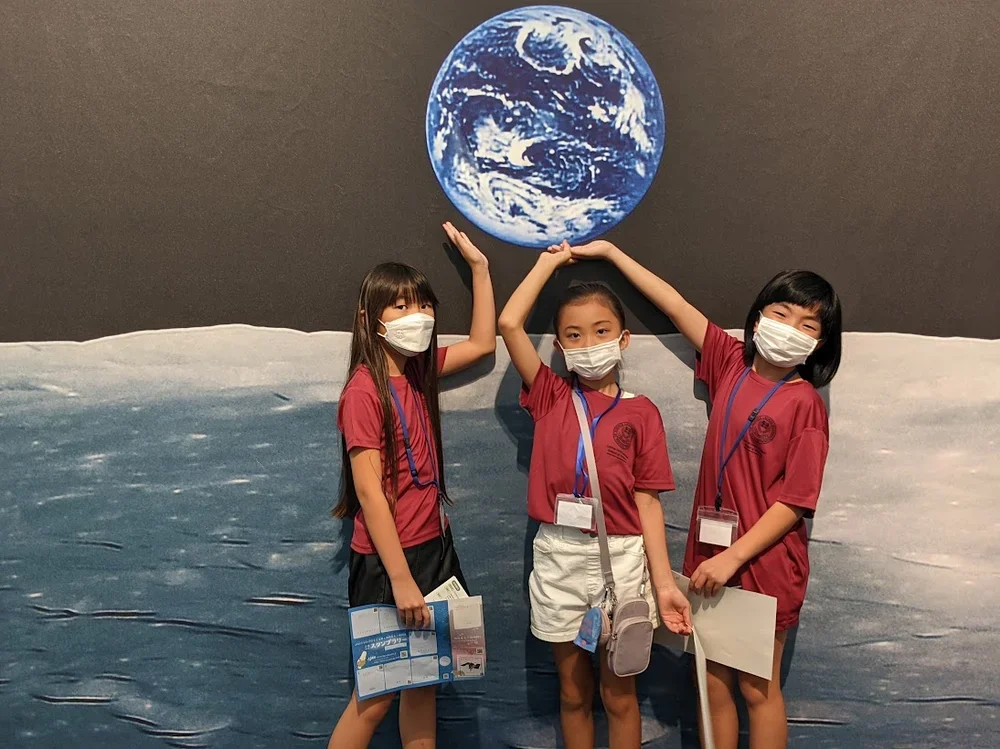
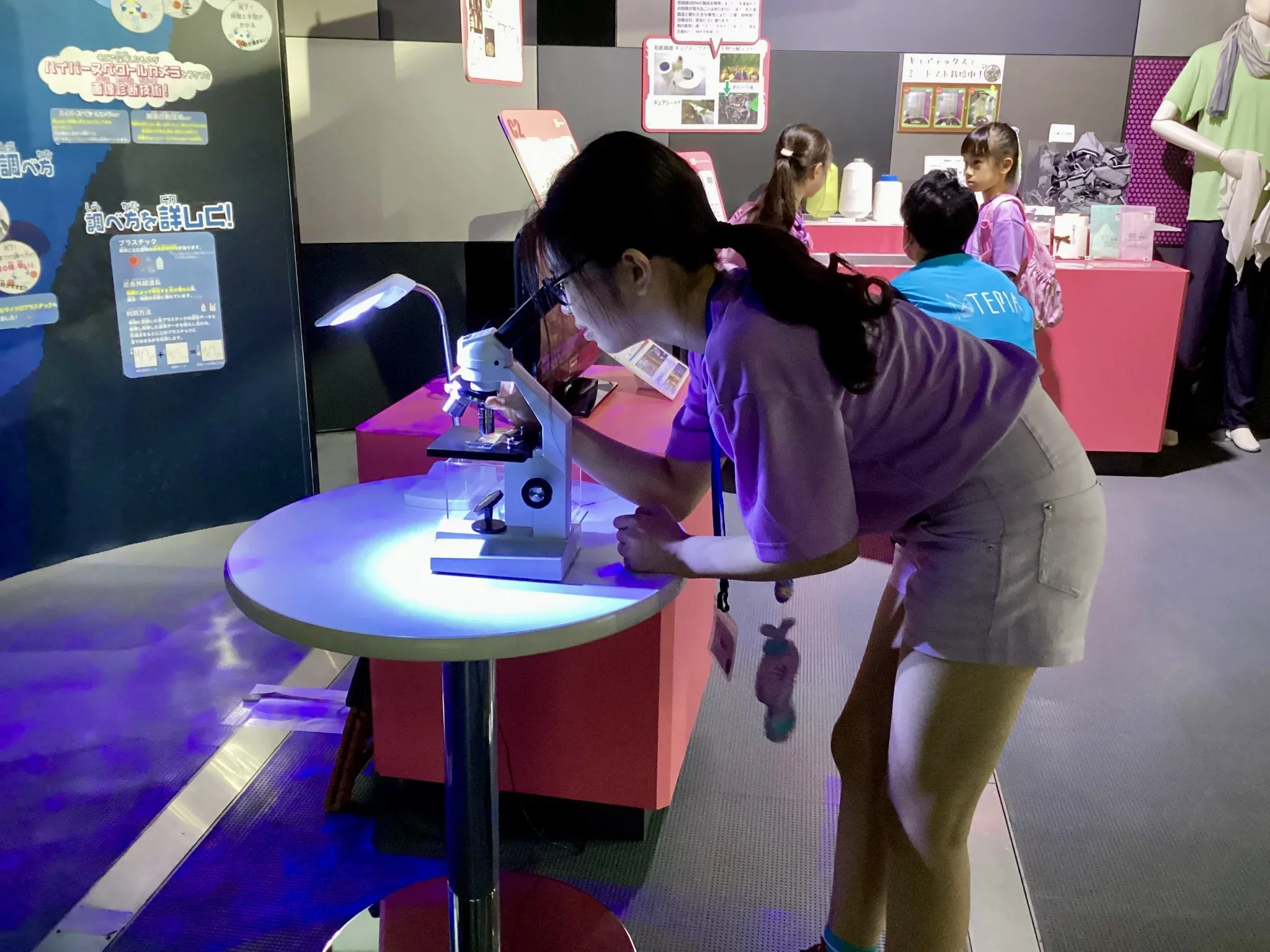
Each week features a field trip aligned with the week's theme. Students visit JAXA, the National Astronomical Observatory, research institutes, and other venues for hands-on encounters with the real world.





What is Summer School?
In general, Summer school is an intensive short-term educational program held during summer vacation. Unlike regular school education, it focuses on language learning, hands-on specialized learning, and international exchange in a unique environment.
In recent years, participation in summer schools has increased among elementary and middle school students as interest in global education grows. English immersion summer schools and programs offering STEAM education are particularly popular. In major cities like Tokyo, programs providing an English environment comparable to overseas summer schools are increasingly available without leaving Japan.
Three Programs for Every Age
Laurus offers three types of programs tailored to age and purpose—from preschoolers to high school students.
"While "Summer School" and "Summer Camp" are sometimes used interchangeably, at Laurus they serve distinct purposes. Summer school focuses on learning and skill development through a structured curriculum, typically running for 1 to 7 weeks and designed for elementary school students. Summer camp on the other hand, is an activity-based program centered on hands-on experiences, social interaction, and play, running from a single day up to a week and open to children ages 1.5 to 6.

Summer Camp
Fun STEAM activities for preschoolers and kindergarteners. Join from just 1 day at 8 campuses across Tokyo and Kawasaki.
View Summer Camp
Summer School
7-week inquiry-based STEAM program for elementary students. Weekly themes from cutting-edge technology to Neuroscience.
APPLY NOW
Summer Programme
4-week STEAM program. University-level STEAM experiences including astrophysics, VR/AR development, and molecular biology.
View Summer ProgrammeBenefits of Summer School
What children gain from summer school participation
English Proficiency
Extended exposure to English in an immersion environment helps listening and speaking skills develop naturally.
Discovering Interests
Through specialized activities not available in regular school, children can discover interests that may shape their future.
Social Skills
Interaction with children from different schools and regions nurtures social and communication abilities.
Independence
Challenges in a new environment foster independence and the confidence that "I can do it."
global education important
enrollment since 2019
English confidence
across Tokyo
Why Summer Schools Are Getting Attention
In today's globalizing society, English proficiency and scientific thinking are increasingly important. Japan's Ministry of Education promotes "proactive, interactive, and deep learning," and summer schools are gaining attention as opportunities for inquiry-based learning.
Previously, overseas summer schools were the mainstream choice, but now high-quality English summer schools are available domestically, including in Tokyo. For dual-income families, summer schools have become an attractive option for meaningful summer experiences.
6 Reasons We're Chosen
Laurus Summer School—trusted by elementary, middle, and high school students
Cambridge International Certified
Laurus is one of only a few accredited schools in Japan offering the Cambridge International Curriculum—adopted in over 150 countries—all the way through IGCSE and A-Level. Experience instruction firsthand from Laurus's experienced native English-speaking teachers. Learn more →
STEAM Education Pioneer
Proven track record in STEAM education since 2016. Our unique curriculum develops scientific thinking and helps children discover the joy of learning.
Full English Environment
All-English immersion with native teachers and bilingual staff. Comprehensive support system ensures comfort even for English beginners.
Real-World Experiences
Field trips to JAXA, the National Astronomical Observatory, and various research institutions. Expert talks and facility visits provide authentic experiences beyond textbooks.
Flexible Participation
Day camps available from just 1 day, or weekly school programs. Choose a schedule that fits your child's availability. Early Arrival (Extended Care) options are also available for added convenience.
Programs for Ages 1.5 to High School
Age-appropriate summer programs from toddlers to high schoolers. Many families discover Laurus through our summer programs and go on to enroll full-time.
Shiba Campus — A Science-Themed Learning Environment
Located on floors 7-10 of the Shiba International Building in Minato-ku, right next to Tokyo Tower, our Primary and Secondary campus opened in 2023. Designed by our founding director as a "knowledge amusement park" with science themes throughout. An unparalleled educational facility supporting inquiry-based learning through seeing, touching, and thinking.
Ocean
Bright, open classrooms designed for collaborative learning and STEAM activities for elementary students.
Planet Earth
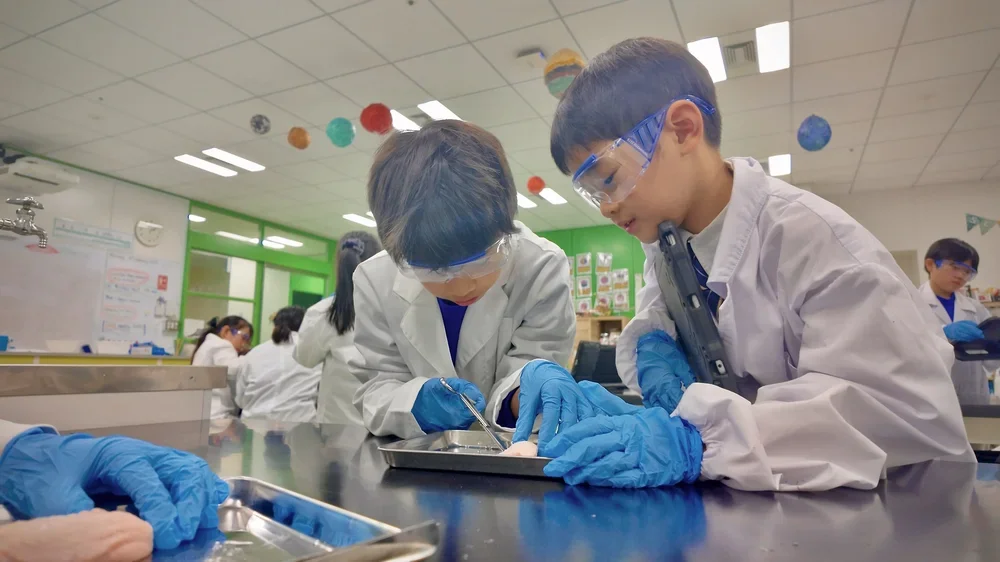
State-of-the-art laboratories equipped for hands-on experiments and scientific exploration.
Singularity
Advanced learning spaces for middle and high school students with specialized equipment.
Ad Astra
Multipurpose area for presentations, art projects, and creative collaboration activities.
A Week in Summer School
Sample weekly schedule · 5 days / 10:00–15:30
| Time / Day | Monday | Tuesday | Wednesday | Thursday | Friday |
|---|---|---|---|---|---|
| Today's Theme Title | Today's Theme Title | Today's Theme Title | Today's Theme Title | Excursion | |
| 10:00 – 10:30 | Welcome & Introduction | Welcome Game | Welcome Game | Welcome Game | Welcome & Excursion Prep |
| 10:30 – 10:55 | Intro to Today's Theme | Intro to Today's Theme | Intro to Today's Theme | Intro to Today's Theme | Excursion |
| 10:55 – 11:05 | Break | Break | Break | Break | |
| 11:15 – 11:40 | Activity 1 | Activity 1 | Activity 1 | Activity 1 | |
| 11:40 – 12:40 | LUNCH / Recess | LUNCH / Recess | LUNCH / Recess | LUNCH / Recess | LUNCH |
| 12:40 – 13:30 | Reflection & Intro to Activity 2 | Reflection & Intro to Activity 2 | Reflection & Intro to Activity 2 | Reflection & Intro to Activity 2 | Excursion |
| 13:30 – 13:40 | Break | Break | Break | Break | |
| 13:40 – 15:00 | Activity 2 | Activity 2 | Activity 2 | Activity 2 | Return to School |
| 15:00 – 15:15 | Cleanup & Reflection | Cleanup & Reflection | Cleanup & Reflection | Cleanup & Reflection | Cleanup & Reflection |
| 15:20 | Bus Students to Collected by Assigned Staff | ||||
| 15:30 | Teacher Dismissal to 1F | ||||
* This is a sample schedule. Weekly themes and activities vary by week.
Previous Themes
Engaging themes that change each year
STEAM Summer School
Seven weeks, seven themes: food science, the brain, Darwin's voyage, dream cities, 3D islands, communication and escape-room puzzles. Think, build and present like real scientists!
Laurus World Expo
Explore sports science, smart cities, indoor innovation, food science, future technology, sustainability and extreme weather through hands-on learning.
STEAM Summer School
Bioscience, astronomy and biomechanics, explored through hands-on experiments, lectures and workshops led by expert researchers.
STEAM Summer School
A new topic every week, from dinosaurs and movie-making to AI, biotechnology, space exploration and aviation.
Molecular Biology
Microbiology, biotechnology
AI & Machine Learning
Programming, AI robotics
Natural Disasters
Earthquakes, volcanoes, climate change
Rainforests
Ecosystems, environmental conservation
Ocean Exploration
Marine life, deep-sea research
Participant Testimonials
Feedback from parents and children who participated in our summer programs
At first, my child was anxious about English, but thanks to the teachers' support, they were presenting in English by the final day. They fell in love with science experiments and now want to do experiments at home too!
It was great that they could experience cutting-edge technology like VR and programming that they don't normally get to use. They naturally started conversing in English with foreign teachers and friends.
With different themes each day, my child was excited asking "What are we doing tomorrow?" We planned to join for just one day, but ended up participating for all 5 days!
The visit to the National Astronomical Observatory and the lecture from JAXA staff provided real-world experiences. Now my child says they want to work in space-related fields in the future.
How to Choose a Summer School
Domestic vs. Overseas, Finding the Best in Tokyo
Key points for choosing the right summer school, plus tips for different ages and timing.
Ages 1.5-6 years
Fun, safety, gentle English exposure
→ Summer Camp (from 1 day)
Ages 6-11 years
Learning content, interest discovery, making friends
→ Weekly Summer School
Ages 11-15 years
Specialization, challenges, future-oriented
→ Advanced STEAM Program
- Full English or with Japanese support?
- Native teachers available?
- Support for English beginners
Full English is ideal for language goals; bilingual support helps beginners feel comfortable.
- Clear learning objectives?
- STEAM education focus?
- Inquiry-based learning?
Look for programs with clear goals—science experiments and programming offer deeper learning.
- Qualified instructors?
- Experienced staff?
- Good staff-to-student ratio?
Small class sizes with individual attention are ideal.
- Emergency procedures
- Insurance coverage
- Parent communication
Confirm emergency contacts and regular reporting to parents.
- What's included in fees?
- Hidden costs?
- Discounts available?
Programs including lunch and materials avoid unexpected extra costs.
| Timing | Action |
|---|---|
| November-December | Start gathering information, attend info sessions |
| January-March | Early registration (special benefits available) |
| April-May | General registration period |
| June | Last-minute registration (if space available) |
Popular programs fill up quickly—early registration is recommended for the best selection.
| Aspect | Domestic | Overseas |
|---|---|---|
| Cost | ¥50,000-200,000 | ¥500,000-1,500,000 |
| Duration | 1 day to several weeks | 2 weeks to 1 month |
| English | During program only | 24 hours immersion |
| Safety | Parents drop off/pick up | Dependent on local staff |
| Age | From age 1.5 | Upper elementary+ |
For first-time English learners, we recommend starting with domestic programs, then trying overseas in high school.
Application Process
Easy 4-Step Application
Apply Online
Fill in required information via form
Receive Confirmation
Details and fee information sent
Payment
Cash payment at convenience stores or bank transfer via internet banking
Ready to Join
Information about what to bring
Select your child's age group
Frequently Asked Questions
About Programs
A. There is no specific visa type required to join, and children can participate on any visa status. We simply ask that you submit a copy of an insurance policy that is valid for use in Japan to cover your child during the program.
A. Summer school emphasizes learning and skill development over one week or more, while summer camp focuses on experiences and social interaction over shorter periods. Laurus offers "Summer Camp" (for preschoolers, available from 1 day), "Summer School" (for elementary students, weekly), and "Summer Program" (for middle and high school students).
A. Children can participate from age 1.5. Summer Camp is for ages 1.5 through kindergarten, Summer School is for ages 6-11, and Summer Programme is for ages 11-15.
A. Summer Camp (for preschoolers) is available from one day. Summer School (for elementary students) and Summer Program (for middle schoolers) require weekly participation. Multiple weeks are also possible.
A. Laurus Summer School offers an all-English environment comparable to overseas programs like UK summer schools, right here in Tokyo. The cost is 1/5 to 1/10 of overseas programs, and parents can handle drop-off and pick-up. It's an ideal step for experiencing English summer school domestically first, then challenging overseas programs in high school.
English Level & Participation
A. In Preschool and K1 (ages 1.5–3) , many children are able to follow along using gestures and visual support. From K2 (middle Kindergarten) onward, lessons are conducted on the assumption that students can communicate in basic English. Japanese language support is generally not provided. The same applies to Y1 (older Kindergarten), Primary School, and Secondary School.
A. Yes, many children participating in English summer school for the first time join us. Bilingual staff provide support, and children naturally encounter English through activities. Our "STEAM Summer School" welcomes children from lower elementary grades, even those with no English experience.
A. Absolutely. Laurus is an internationally diverse environment where children of various nationalities learn together. Since English is our primary language of communication, not speaking Japanese is not a problem.
Application & Fees
A. The deadline is one week before each program's start date. Popular programs may fill up early, so we recommend applying soon.
A. Costs vary by program and number of days attended. Detailed fee schedules are available at information sessions or upon inquiry. Fees include tuition, materials, lunch, and insurance.
A. Yes, we offer sibling discounts. Second children and beyond can participate at reduced rates. Please contact us for details.
A.We cannot make schedule changes after the closing date. There are no refunds after the deadline. A cancellation fee of ¥1,000 will be charged for any changes or cancellations. Please confirm full details when applying.
Daily Life & Facilities
A. Yes, we provide school lunch with nutritionally balanced menus. We can accommodate allergies—please inform us when applying. Bringing your own lunch is also possible.
A. Basic items include a water bottle, change of clothes, indoor shoes, and a hat. We'll inform you in advance if specific programs require additional items. Details are provided in the "Participation Guide" sent after registration confirmation.
A. We apologize, but we do not operate school buses for summer programs. Each campus is within walking distance from the nearest station, and we ask parents to handle drop-off and pick-up.
A. Yes, extended care is available. We can care for children until 6:30 PM after regular program hours. Additional fees apply.
A. Yes, we send daily activity reports. You can check your child's activities through photos and videos. We will also contact you promptly in case of emergencies.
Other
A. You can get a sense of our programs at pre-summer information sessions or regular school tours. For safety reasons, we generally do not accept visits during summer programs.
A. If you're looking for a summer school in Tokyo that combines STEAM education with an English environment, Laurus is an excellent choice. We hold programs at 8 campuses including Minato-ku (Shirokanedai, Takanawa, Shiba), Musashino-shi, and Setagaya-ku, offering programs suited to elementary, middle, and high school students.