

Teachers Who Inspire: Kevin Buckley on Vice Principal/Head of Science
At Laurus Secondary School, Kevin Buckley serves as Vice Principal and Head of Science, guiding both students and teachers with his calm, collaborative leadership. He plays a key role in shaping a strong learning culture built on high expectations, consistency, and genuine care.
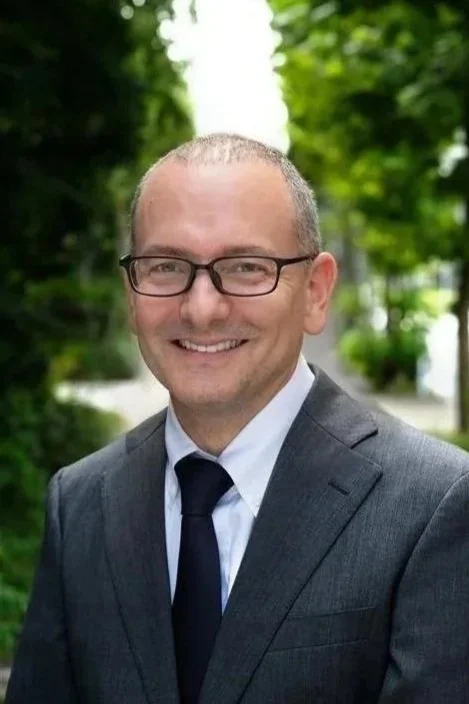
Kevin is dedicated to creating respectful, supportive classrooms where students feel confident to ask questions, take risks, and grow. His leadership continues to strengthen Laurus’s science program and the wider secondary school community.
Q. Can you tell us a little about yourself and how you found your way into teaching — and eventually into leadership?
A: My first experience of teaching was as an English language teacher in Japan back in 2002. I loved teaching and trained as a science teacher in the UK, where I taught for 8 years. In 2014 I became Head of Science at the British International School of Stockholm.
Q. You lead both Science and the wider school as Vice Principal — what drew you to science originally, and how did your career path unfold from there?
A: My interest in science stems from wanting to study and be part of something that can make a difference and I think this is also the underlying reason I became a teacher.
Q. Why did you choose Laurus to continue your career in education and educational leadership?
A: Laurus appealed to me because of its unique science specialism and the fact that it is a growing school. I helped my previous school grow from a primary school to eventually become an all-through school with IB students. It is very fulfilling to be part of shaping that journey.
Q. How would you describe your teaching style in three words — and then explain why?
A: Respectful, collaborative, and supportive.
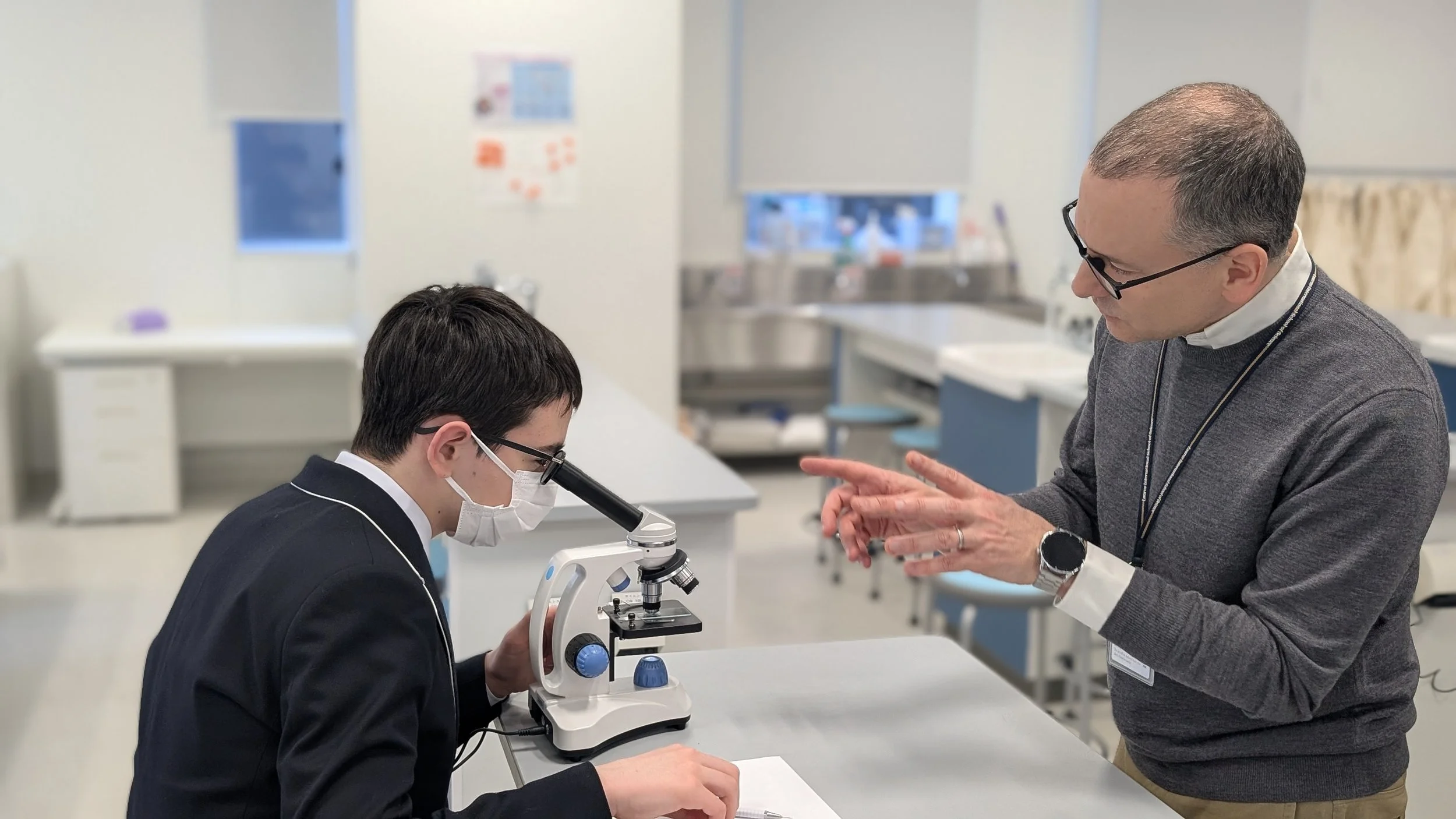
I try to create classrooms where students listen to and value one another, work collaboratively, and feel safe to share ideas or make mistakes. By being a good listener and fostering an inclusive environment, I help students build resilience and confidence, encouraging them to take risks and learn from challenge while maintaining high expectations for learning and behaviour.
Q. What do you believe every secondary school student deserves from their education?
A: The chance to reach their true potential, provided they approach their learning with the right attitude and level of effort.
Q. Science can feel intimidating to some students — how do you make sure every student feels capable and curious in your classroom?
A: I focus first on creating a supportive and inclusive classroom where students feel safe to ask questions and make mistakes. It's best to break complex scientific ideas into manageable steps, use practical examples to make learning feel relevant, By valuing effort as much as accuracy and encouraging collaboration, I try to help students build their confidence and become curious about how science explains the world around them.
Q. What does a great science lesson look like to you — can you paint us a picture?
A: There’s no one way a great lesson looks, good learning is good learning. Not all lessons will look flashy. A great science lesson is calm, purposeful, and engaging, with clear learning objectives and high expectations. Students are actively involved, asking questions, discussing ideas, and applying concepts through practical or meaningful tasks, rather than passively receiving information.
Q. Is there a topic in science you never get tired of teaching, and what makes it so compelling?
A: Probably genetics and inheritance – most people are curious about what makes them who they are and why we have similar traits to our families.
Q. How do you stretch and challenge students who are passionate about science, while still supporting those who find it harder?
A: I use shared learning objectives, so all students access the key ideas, but I stretch confident students through deeper questioning and open‑ended tasks. At the same time, I support others with clear modelling and scaffolding, so everyone feels challenged, supported, and able to make progress.
Q. What do you most enjoy about leading the wider secondary school alongside the Principal, Donna van Heyningen?
A: Donna is great to work with and is always available to give advice and support. I enjoy seeing both students and teachers develop in their roles. I also learn a lot from teachers that I can apply to develop my own teaching. As teachers, we are always learning and growing.
Q. What are some examples of how the SLT continuously builds a strong learning culture at Laurus — whether that's within your science department or across the school as a whole?
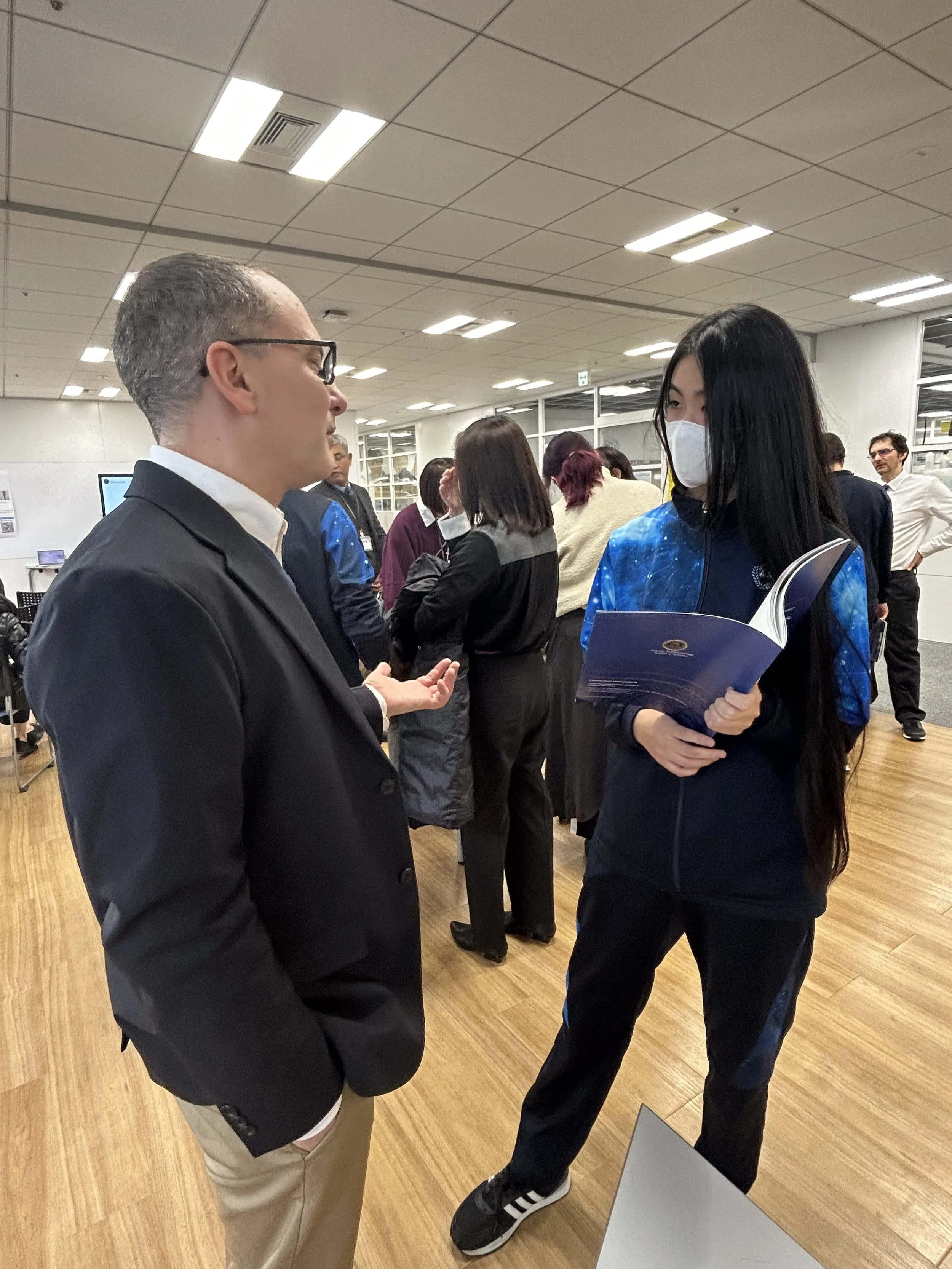
A: The SLT at Laurus sets clear expectations around high‑quality teaching and learning, while modelling those standards themselves. Regular learning walks, professional dialogue, and focused professional development ensure that teaching is continuously improved through reflection rather than judgement. We also prioritise consistency in behaviour, assessment, and curriculum expectations, which creates a calm, purposeful environment where both staff and students feel supported to take risks and strive for excellence.
Q. How do you build trust with secondary school students, who can be a harder audience to win over than younger children?
A: I don’t necessarily agree that secondary students are harder to win over, they’re simply older and more aware. Building trust comes down to the same fundamentals as with any age group: consistency, fairness, and genuine respect. I’m clear about expectations, I listen to students as individuals, and I follow through on what I say, which helps them feel valued and secure; once that trust is established, older students are often highly engaged, curious, and willing to take responsibility for their learning.
Q. What do you think makes Laurus a special place to learn and work?
A: Laurus is special because there’s a clear commitment to high standards alongside genuine care for students and staff. Strong leadership, consistent expectations, and a collaborative culture create a calm, purposeful learning environment. As a result, students are supported to thrive, and staff feel trusted, challenged, and valued.
Q. What do your students not know about you that might surprise them?
A: I play and own six guitars and used to have long hair and be in a band!
Q. What are you currently geeking out about — in science or otherwise?
A: I mostly ‘geek out’ about music, guitars and music production/song writing.
Q. If a student looked back on their time in your science classes ten years from now, what would you hope they took with them?
A: Hopefully good memories, a love of biology, and no school equipment!